The 5 Cent Cancer Preventative
A 20-year study of 1.5 million people reveals how one daily baby aspirin cuts cancer risk by over 50% — and why the science behind it is more compelling than ever.
The Study
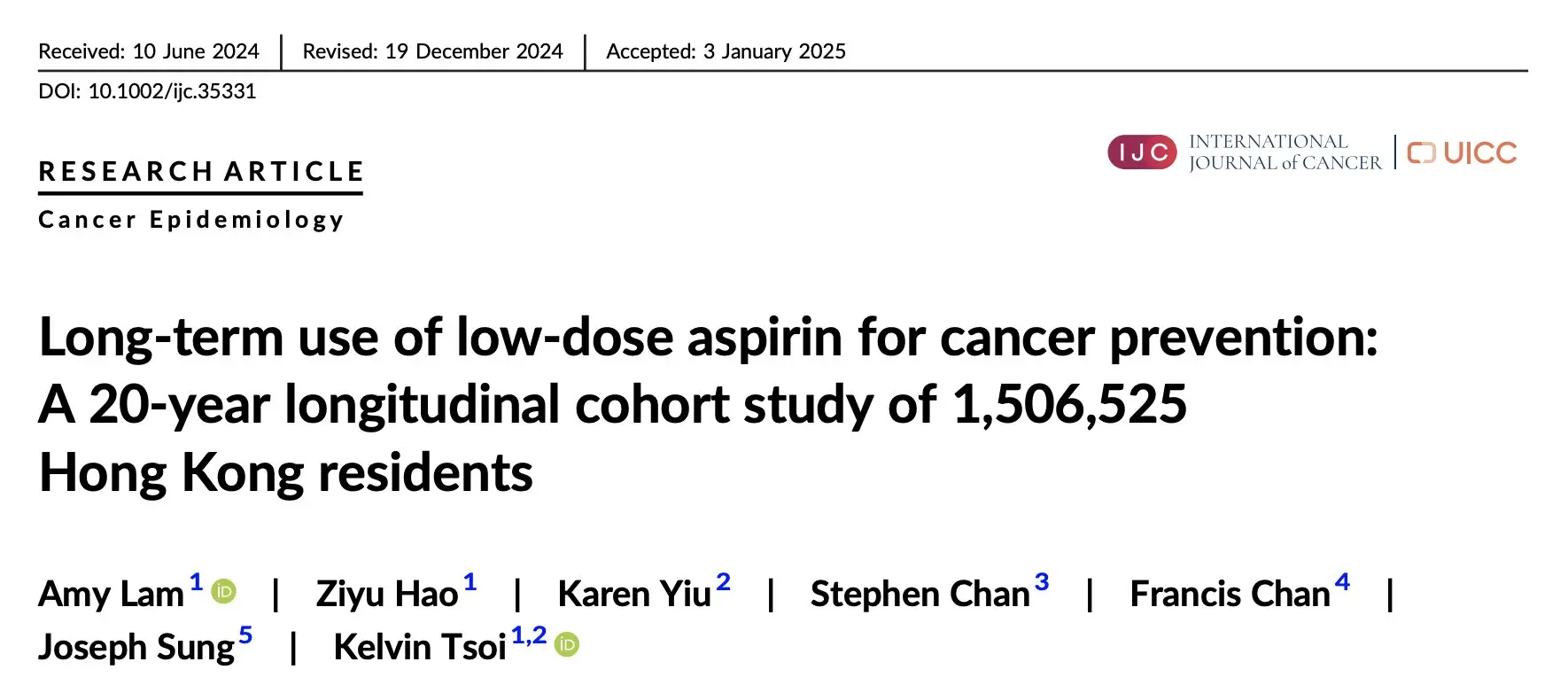
The study was published at the beginning of last year in The International Journal of Cancer.
It examined 1.5 million people in Hong Kong over 20 years.
Another similar study out of Denmark came shortly before this, showing no benefit of aspirin on cancer. However, that study did not adjust for competing factors — such as dying from heart disease before cancer could develop.
But given aspirin's many known beneficial impacts on cancer, it was time to re-investigate.
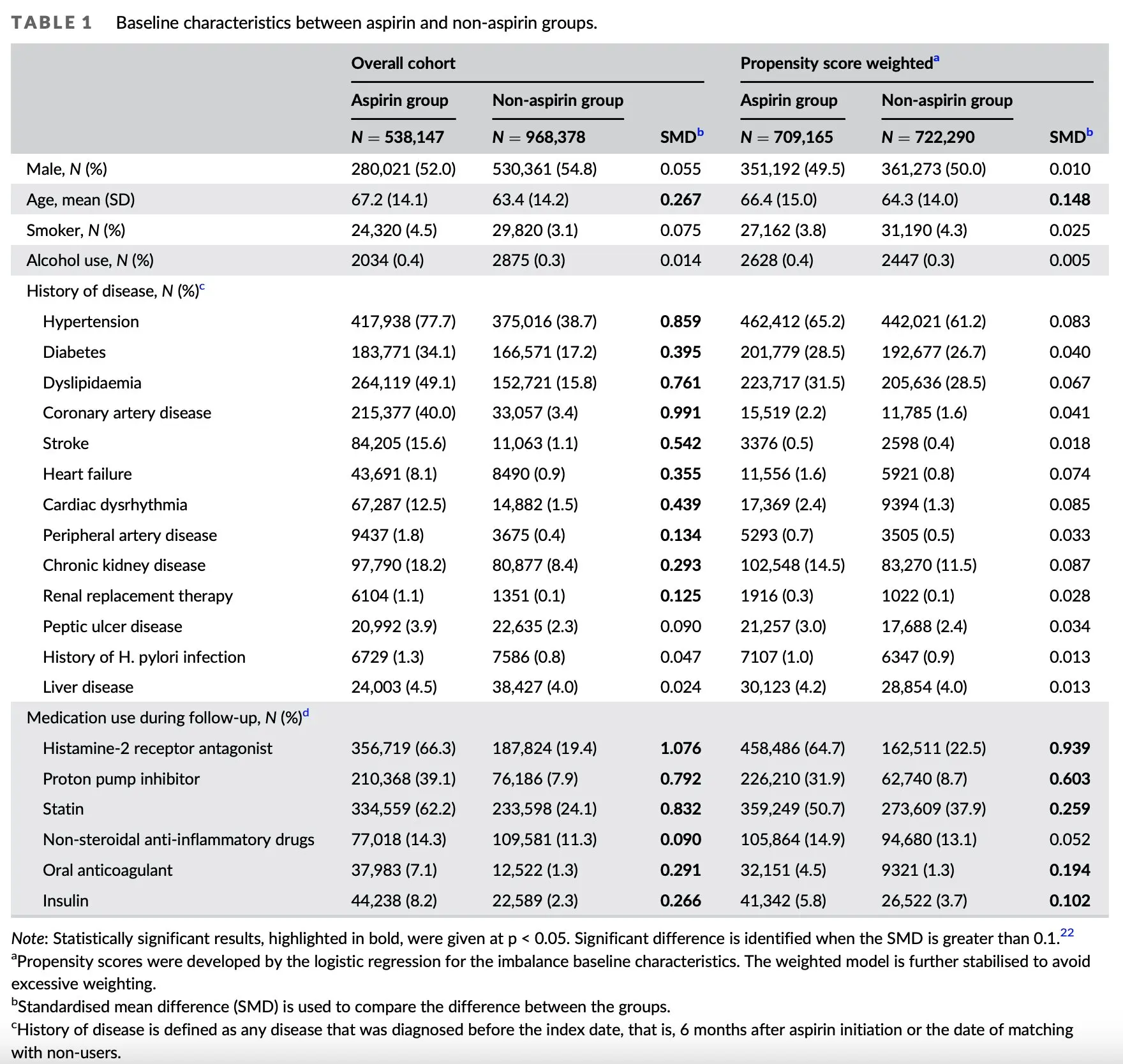
They examined people taking 80 mg (baby) aspirin daily, and those who didn't.
These were the baseline characteristics before they started aspirin. The aspirin group was much less healthy in nearly every way — older, more smokers, more disease across the board, and taking more drugs.
Some of these differences are staggering: double the amount of hypertension, 15x more strokes.
You'd think they would have had far more cancer, right?
The Study Outcomes
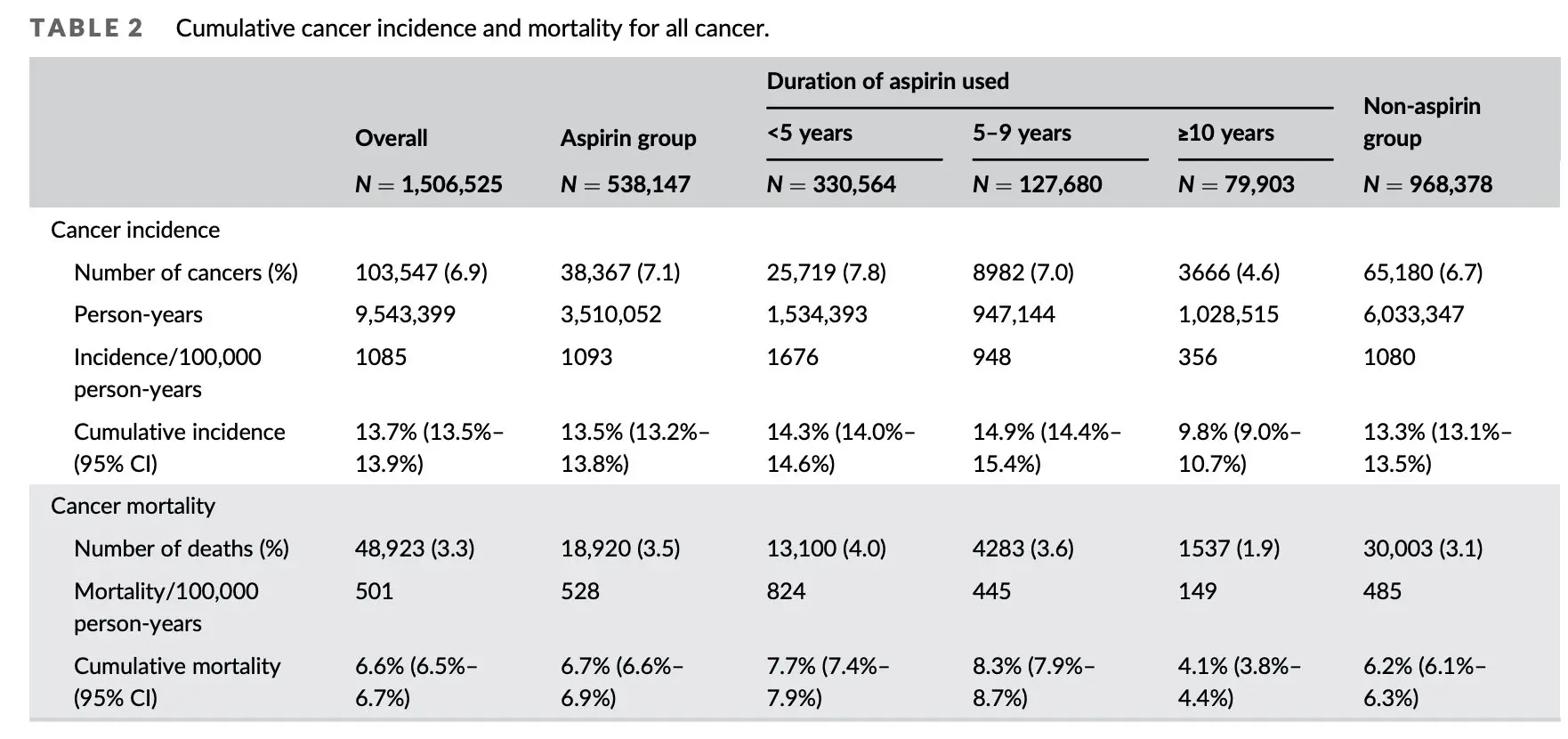
Aspirin users as a whole had similar cancer prevalence (6.9% vs 7.1% in non-users).
However, those using baby aspirin for longer than 10 years had a substantially lower cancer risk — just 4.6%.
Aspirin users also had fewer total deaths and fewer cancer deaths, and this effect became more pronounced the longer aspirin was used.
Remember, this is despite the aspirin users being far less healthy in nearly every measured way.
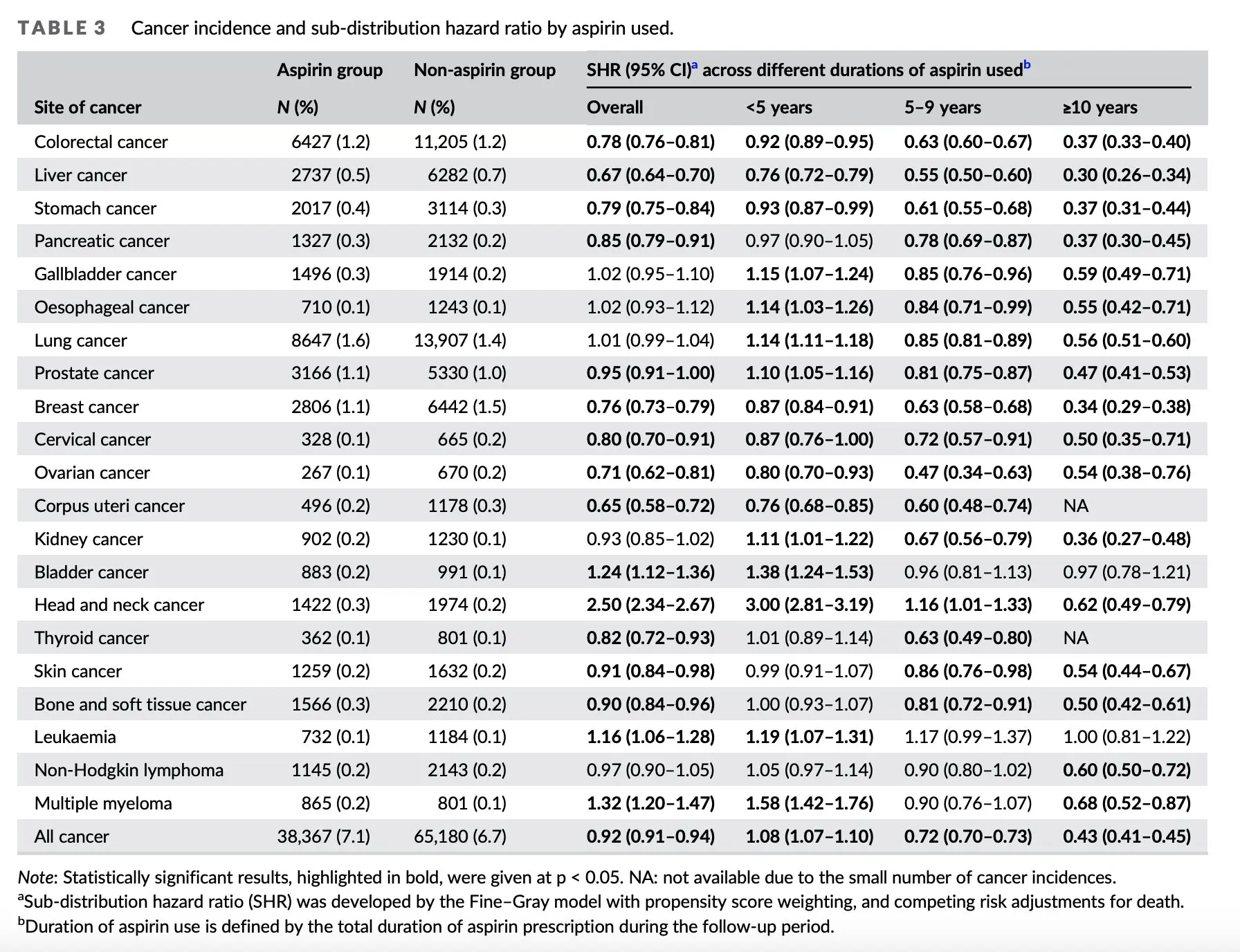
When researchers adjusted for how unhealthy the aspirin group was, the results were even more striking — reduced risk of nearly every cancer.
People who used baby aspirin daily for 10+ years had greater than 50% reduced risk of nearly every cancer, aside from bladder cancer and leukemia.
Overall, it cut cancer risk by more than 50%. Just one baby aspirin a day.
Why is aspirin so effective for cancer?
Of course, it reduces inflammation — a core characteristic of cancer.
But beyond that, aspirin is able to modify the functioning of multiple proteins by acetylating them.
In fact, aspirin acts on nearly every hallmark of cancer:
- ◇ Suppresses glutamine metabolism
- ◇ Lowers HIF1α (Warburg effect)
- ◇ Suppresses Wnt signaling
- ◇ Increases mitochondrial metabolism, lowers glycolysis (decreases Warburg effect)
- ◇ Inhibits mTOR, RAS, c-myc signaling (growth pathways)
- ◇ Increases AMPK
- ◇ Restricts angiogenesis
- ◇ Activates p53 (key cell cycle regulator)
- ◇ Encourages cancer cell apoptosis
- ◇ Increases DNA repair
Here is a link to our recommended source of clean aspirin.
Other studies have shown negative effects of aspirin, mainly from bleeding risks. However, the absolute risk of those events is very small for people under the age of 70.
Over 70, longer trials indicate that aspirin can actually increase all-cause mortality.
But the vast majority of the data supports aspirin for healthy longevity and especially in cancer prevention.
Analyze & Optimize Team