Baking Soda for Inflammation: What the Research Shows
Clinical research reveals how a common household ingredient rapidly reduces inflammation through the vagus nerve and spleen.
The Study
The study was published in 2018 in the Journal of Immunology.
Some experiments were done in rodents including baking soda in the water.
Some groups had their vagus nerves cut.
Other animals had a surgery to disturb the spleen.
Both surgeries were done to see if these tissues mediated the effect of baking soda.
Then, the human studies were done comparing drinking 2g of baking soda dissolved in water vs 2g of salt.
The Results
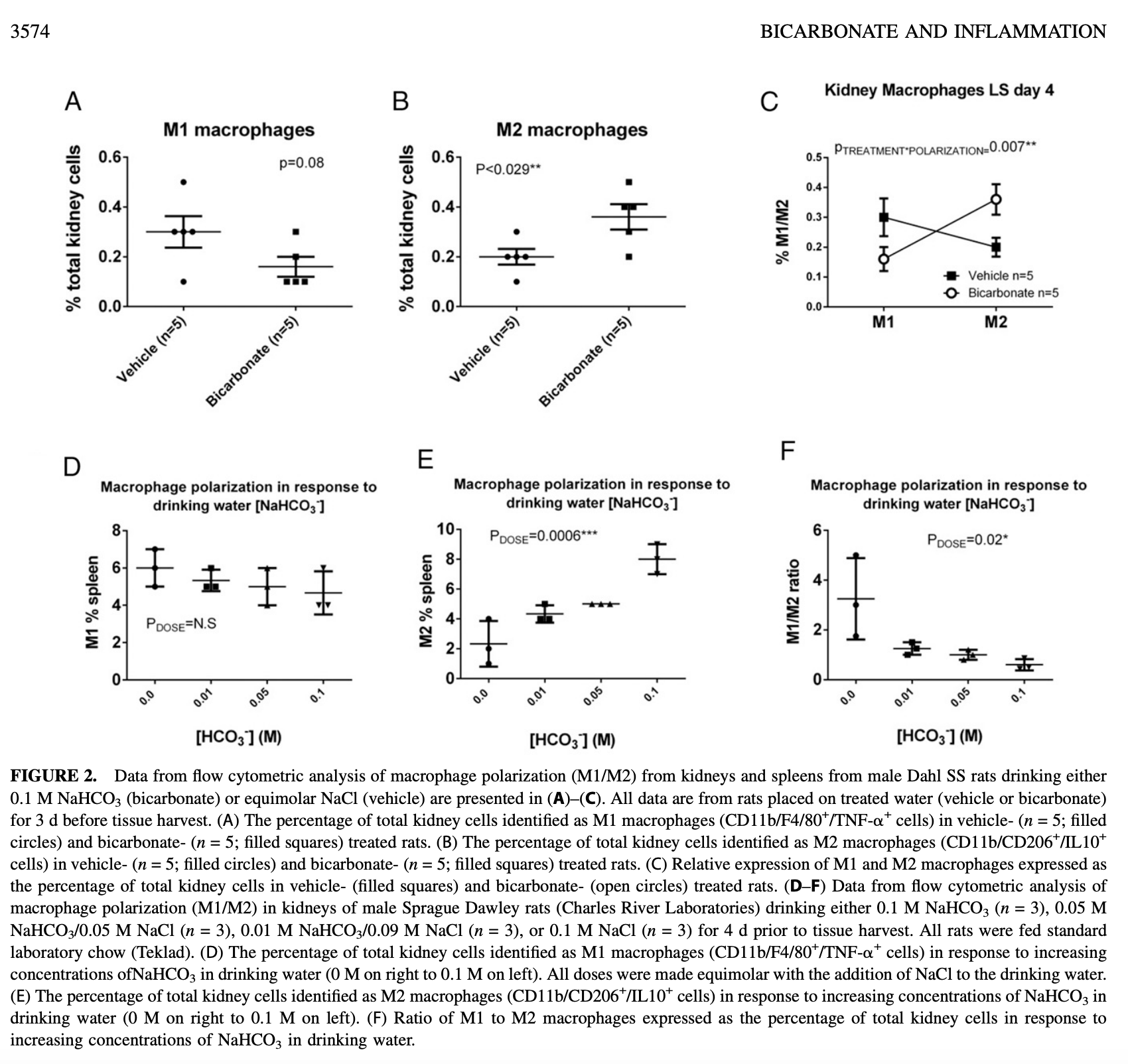
The more baking soda consumed, the lower the inflammation.
Animals consuming up to 0.1M baking soda had substantially lower ratios of M1/M2 macrophages, reflecting an anti-inflammatory skewing of these immune cells.
In humans, taking 1/2 teaspoon of baking soda rapidly reduced inflammation.
Within an hour, it shifted immune profile toward less inflammation by:
- ↓ M1 macrophages
- ↓ TNFα neutrophils (primary inflammatory cell)
- ↑ M2 macrophages in the blood
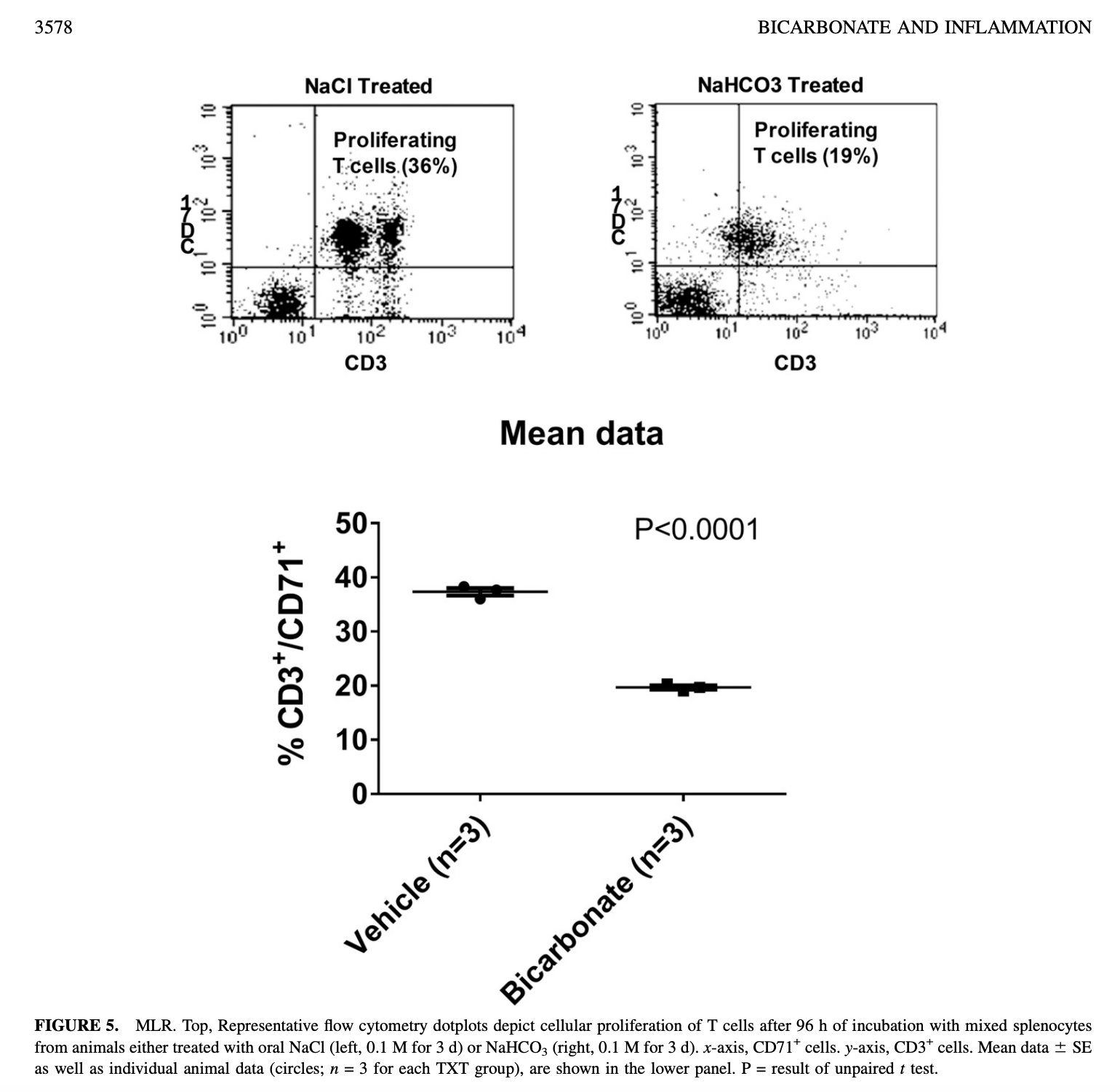
Baking soda also cut the amount of inflammatory T cells that were proliferating by nearly half. Another indicator that it is lowering inflammation systemically.
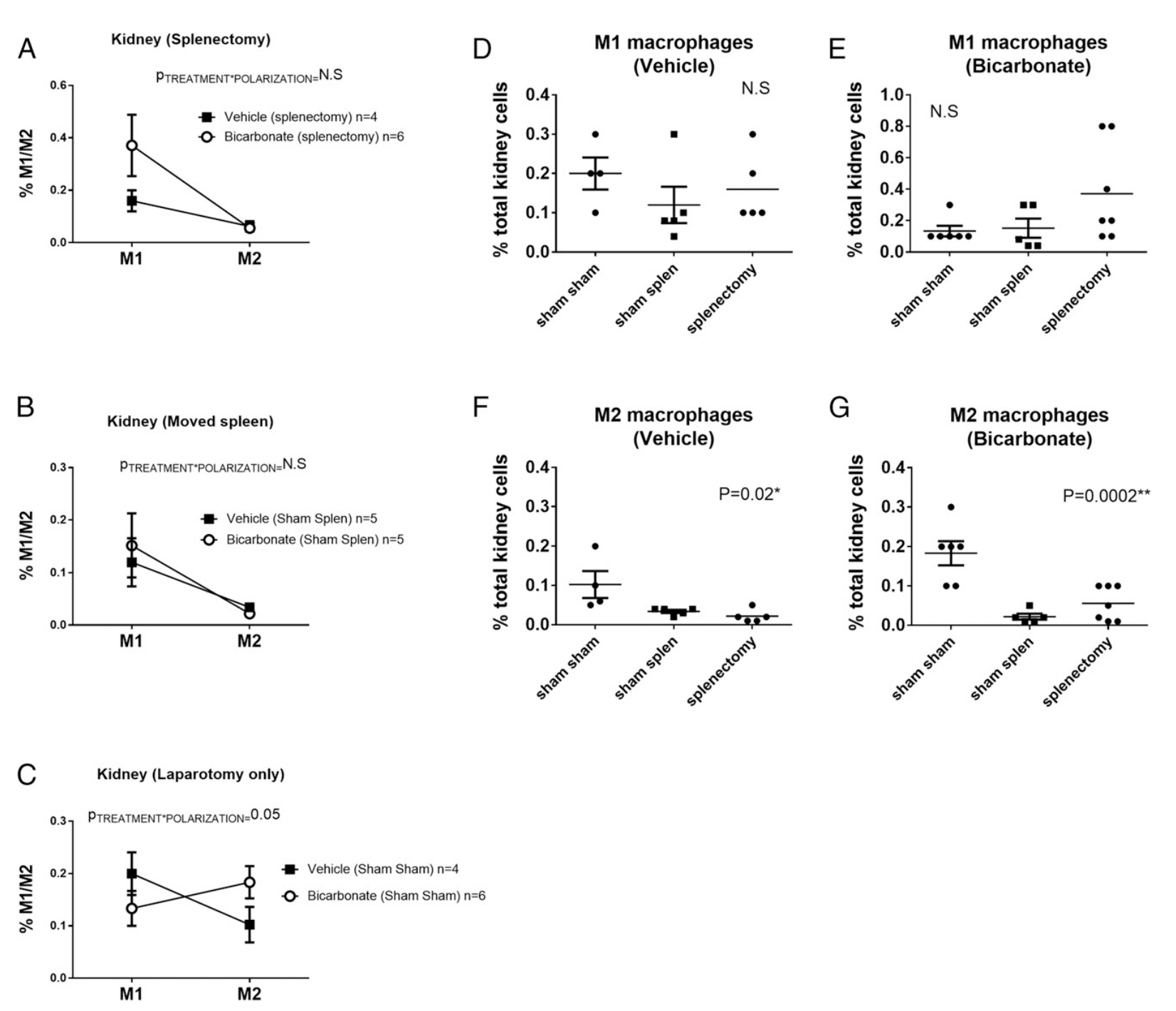
Baking soda's anti-inflammatory effects were dependent on the spleen.
If the spleen was either completely removed (splenectomy) or moved around, there was no difference in the inflammatory macrophages in the kidneys.
The fact that the spleen could be simply moved meant that the collagenous tissue surrounding the spleen is necessary.
Why is baking soda such a good anti-inflammatory?
Since baking soda's effects were dependent on the spleen, the vagus nerve and the tissue surrounding the spleen, it's clear that it is acting through this system.
The vagus nerve connects to the spleen, which houses many immune cells where they can mature into their distinct types. They found here that the connective tissue surrounding the spleen is vital for this interaction.
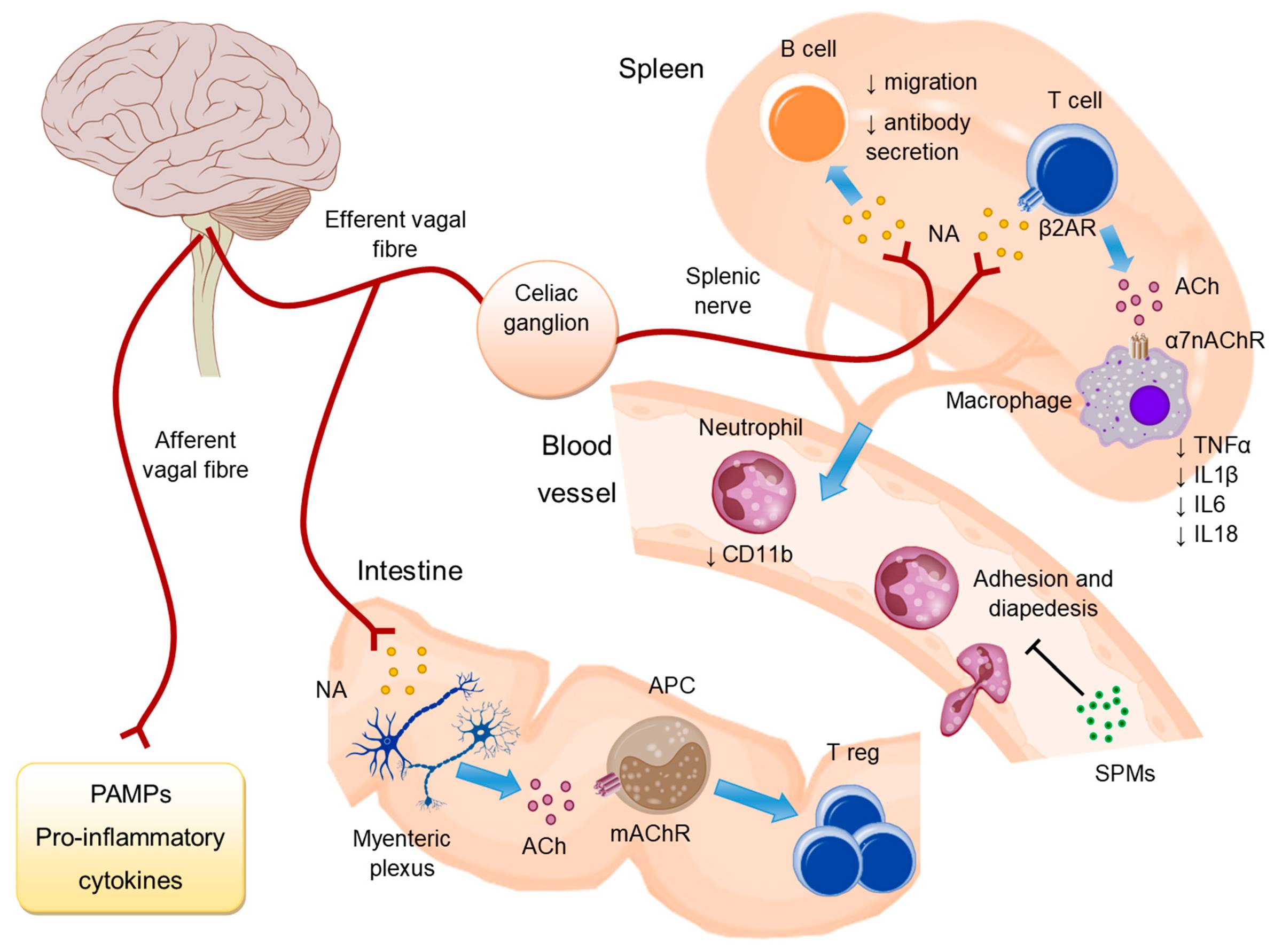
Activating the vagus nerve tends to calm these immune cells into anti-inflammatory varieties.
This is incredibly relevant for a host of conditions.
The researchers mentioned diseases mediated by inflammatory macrophages & excessive TNF-α:
- Rheumatoid arthritis
- Cardiovascular disease
- Atherosclerosis
- Irritable bowel disease
- Type 2 diabetes
- Neurodegenerative diseases
Diseases benefitted by having more Tregs:
- Allergy
- Asthma
- Multiple sclerosis
- Graft-versus-host disease
- Diabetes
- Hypertension
Meaning baking soda could have a role in treating all of these.
Dosage & Timing
There's a pretty broad range of doses depending on the use.
I think starting at half a teaspoon (3g) dissolved in water and working your way up slowly is a good option.
At this low dose there's a good chance for a positive effect, with minimal risk.
In athletes the dose goes up to as much as 25 grams, or 1.5 tablespoons. Cancer patients have used even more.
If you're going to go that high I would definitely split it up into multiple doses.
Too much at once (or even in general) can cause loose stools or even diarrhea.
Take it away from meals, as it will temporarily lower stomach acid.
You also can overdo it and become too alkaline, so I would definitely start low and go up as needed.
I don't have a recommended brand tbh, though mined seems to be superior to synthetic.
Analyze & Optimize Team