Biotin Megadoses Can Dramatically Improve and Even Reverse Diabetes
Biotin gets written off as a hair and nail supplement. But a number of studies show megadoses of vitamin B7 cut fasting blood sugar by 50% or more in type 2 diabetics - sometimes within a single week.
Overview
Biotin gets written off as a hair and nail supplement, but it's actually highly involved in your energy metabolism.
For that reason, it should come as no surprise that it can help in a condition centered around impaired metabolism.
Here's another set of studies that will get thrown away since they're "too old" and "small." But that's not how we do it around here. This stuff shows us some incredible insights.
The Studies
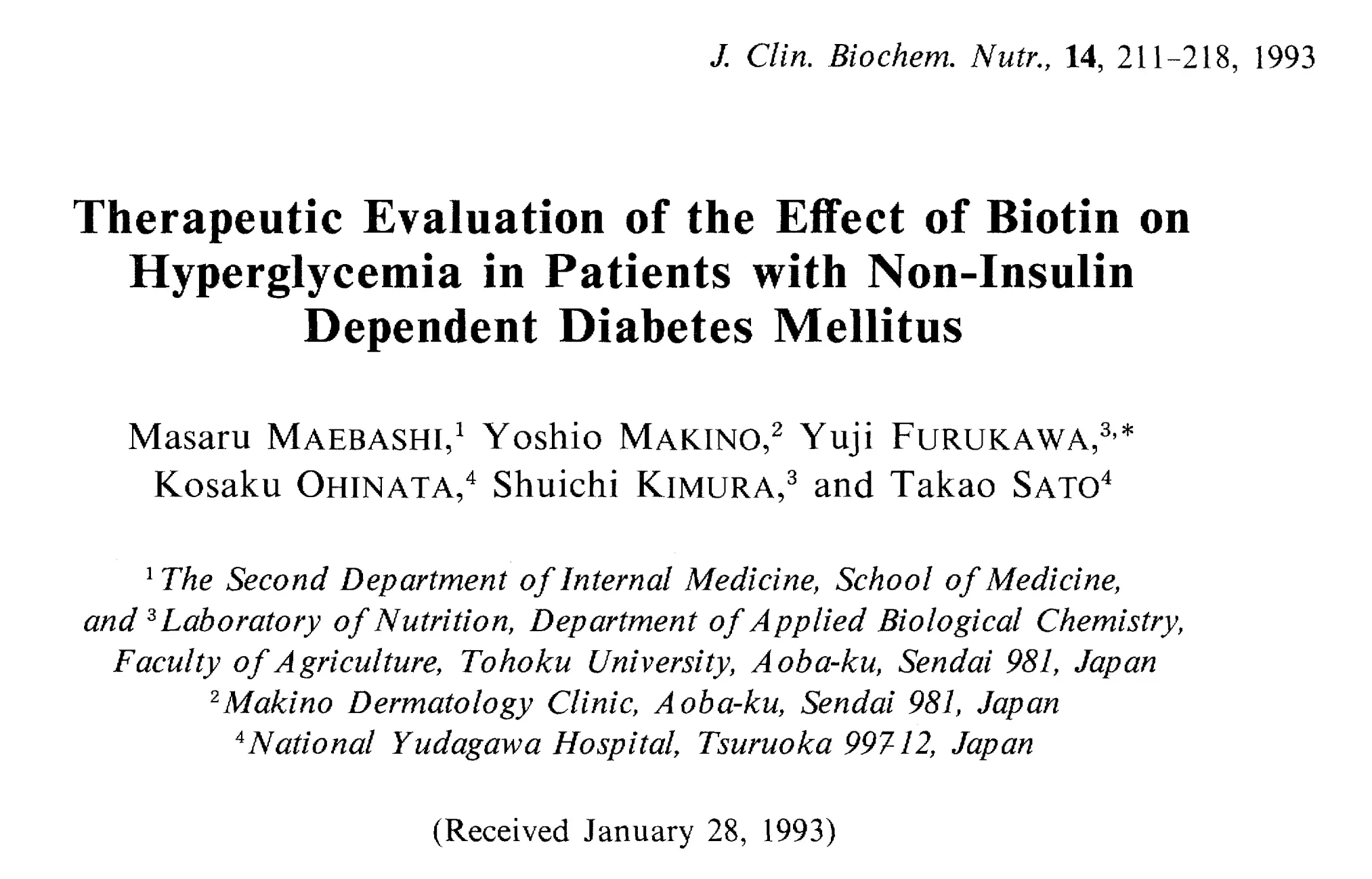
The most striking of the bunch was done in 1993.
People with type 2 diabetes (fasting blood sugar above 171 mg/dL) were recruited. These people were already on sulfonylurea drugs or dietary treatments, with little to no success controlling their diabetes.
They either took 9 mg of biotin daily - a massive dose - or a placebo. For context, the RDA of biotin is 30 micrograms, less than 1% of this dosage.
The Study Results
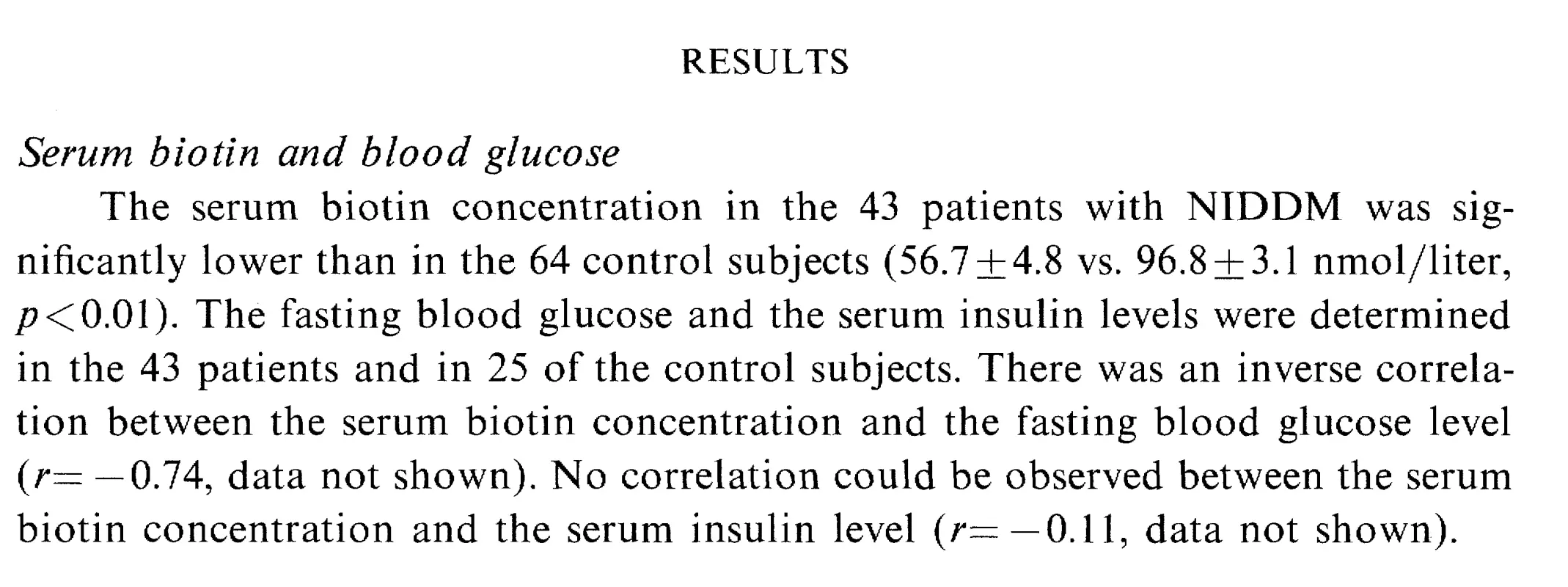
People with diabetes had less than 60% of the serum biotin that healthy people did - and this was strongly correlated with higher blood sugar. The higher the biotin level, the lower the blood sugar.
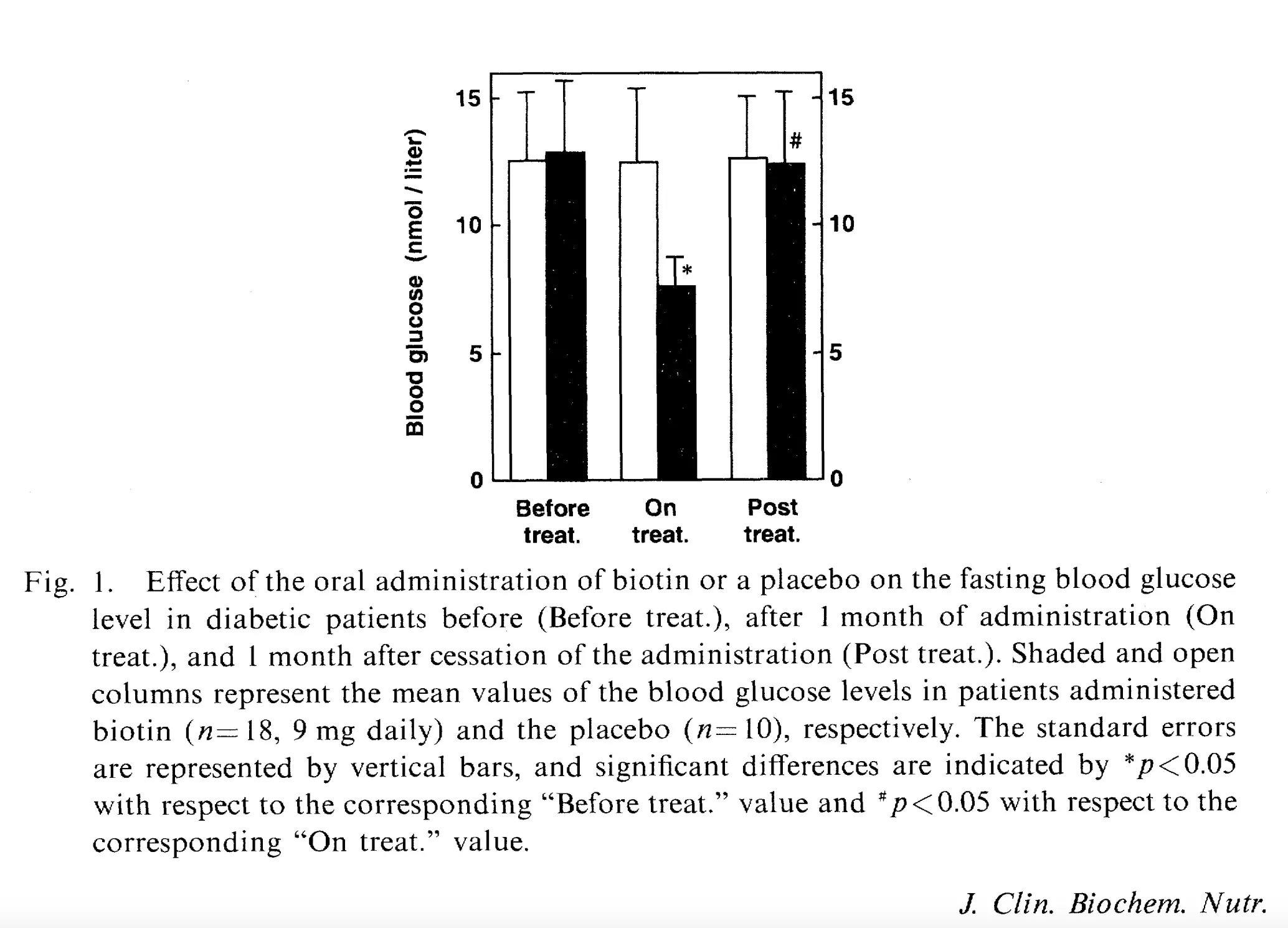
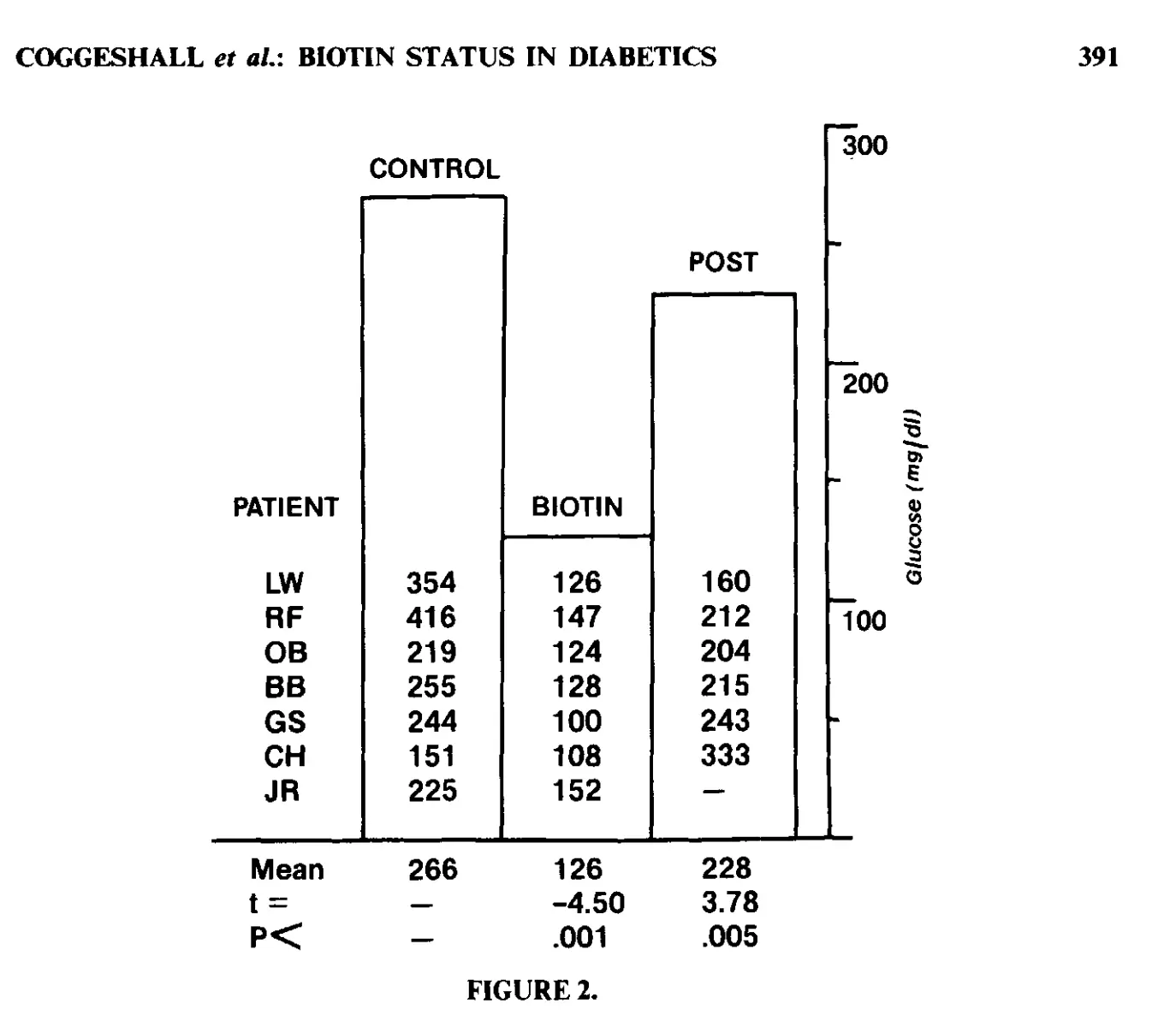
Biotin cut blood sugar nearly in half after just one month.
232.2 mg/dL down to 128 mg/dL.
Pyruvate and lactate levels also dropped substantially, indicating less buildup of intermediate glucose metabolites and better carbohydrate metabolism overall.
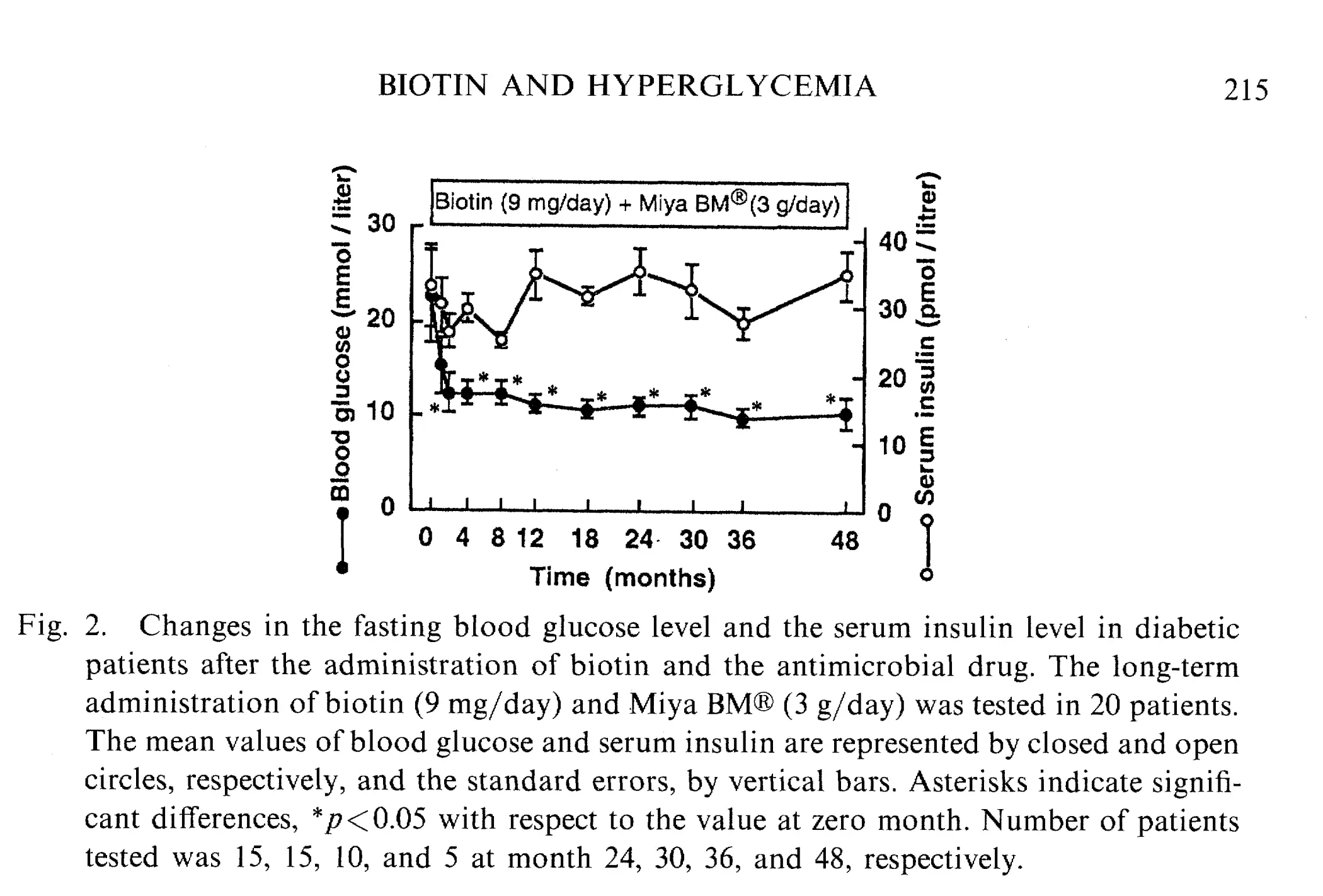
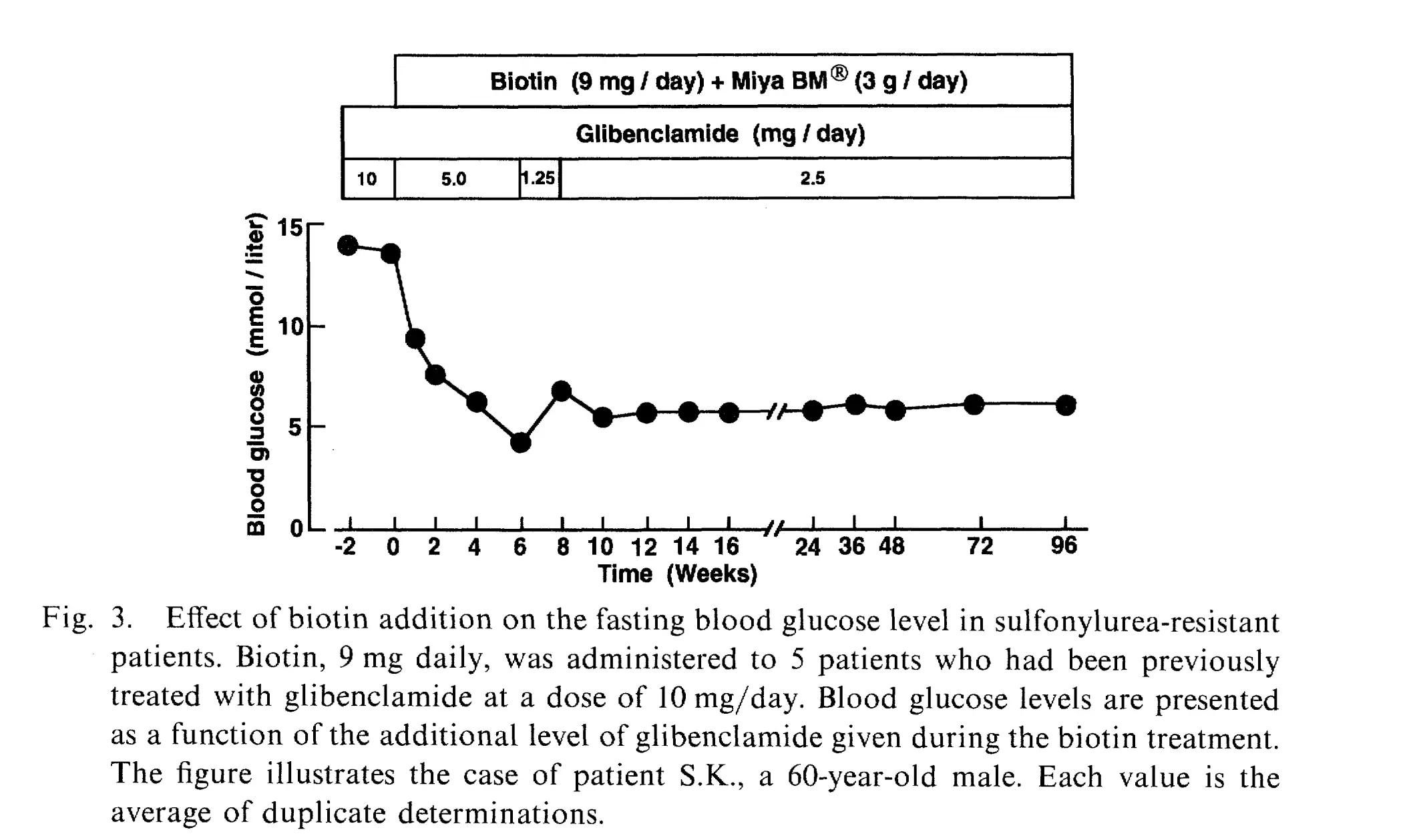
The effect was also consistent over long-term use - up to 4 years of administration with sustained blood sugar reduction.
One patient showed complete reversal of diabetes with the biotin megadose: blood sugar cut by two thirds, now at normal levels, and able to wean off diabetic drugs entirely without raising blood sugar.
Supporting Studies
Other studies have shown similar results.
A megadose of 16 mg biotin per day reduced fasting blood sugar by over half in just one week in diabetics.
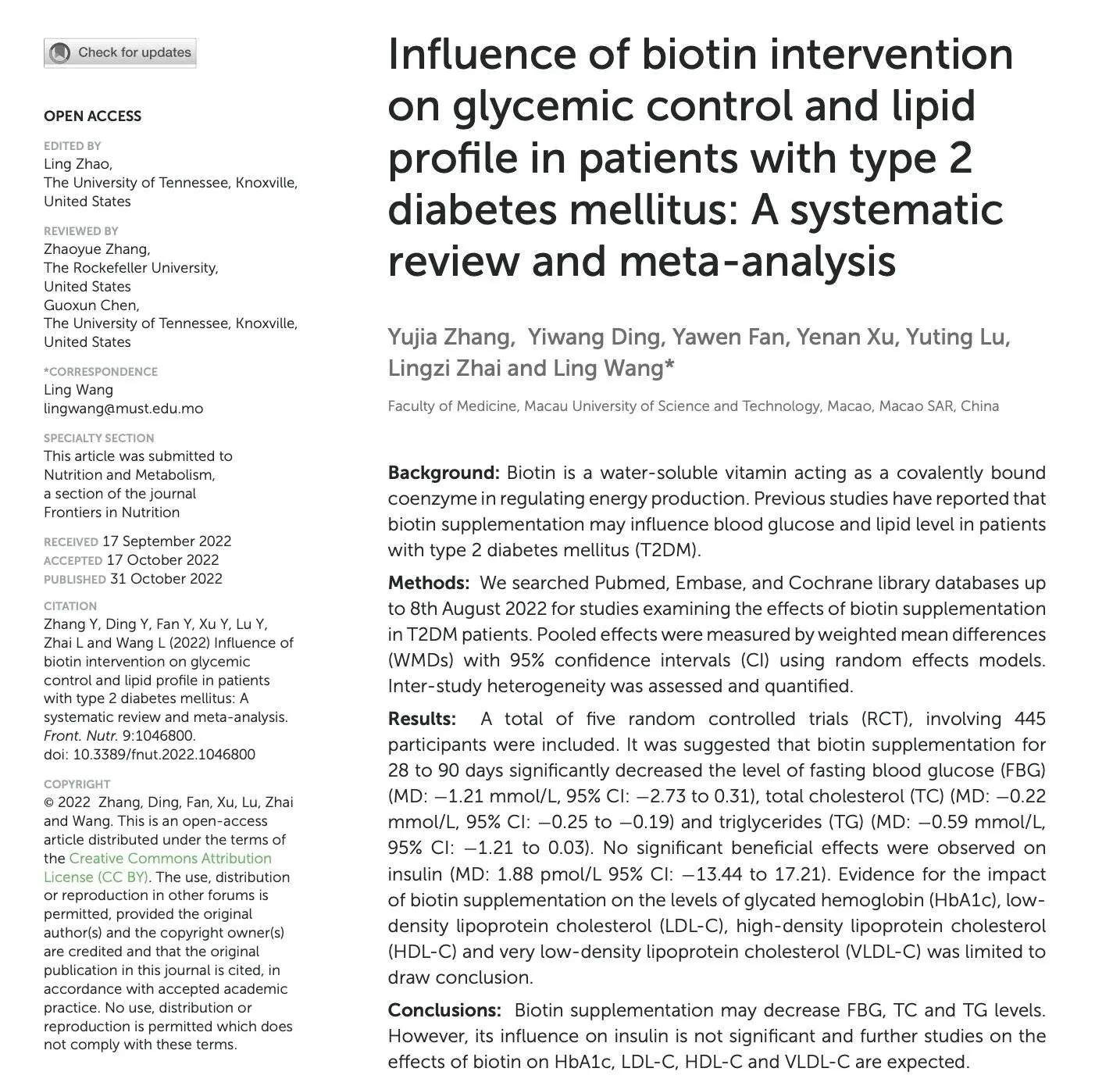
A 2022 meta-analysis confirmed the beneficial effects of biotin on insulin resistance and diabetes. On average: a 22 mg/dL drop in fasting blood sugar, and a 61 mg/dL drop in triglycerides - a type of blood fat that becomes elevated during diabetes.
Why Biotin is So Effective for Diabetes
High blood sugar and insulin resistance are fundamentally driven by the inability of cells to oxidize glucose for energy. This is what keeps glucose high in the blood.
Biotin is known to increase the expression of glucokinase (also called hexokinase) - the enzyme responsible for the first step in breaking down sugar into energy. More glucokinase means more glucose gets pulled into cells and burned.
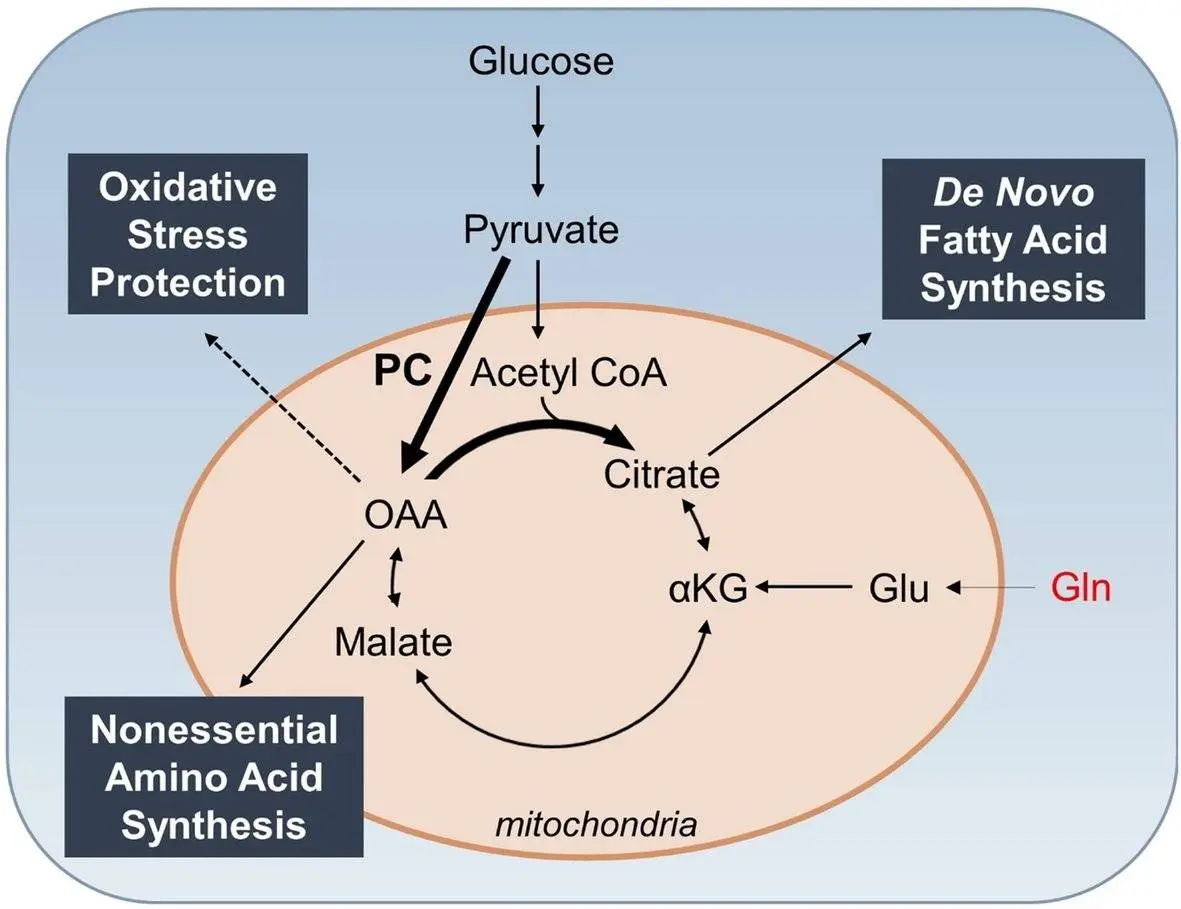
Biotin is also a cofactor for pyruvate carboxylase, which replenishes the citric acid cycle in the mitochondria and supports downstream energy production.
Does Biotin Help Type 1 or Type 2 Diabetes?
The research is focused on Type 2 and that's where the evidence is strongest.
Type 2 is fundamentally a problem of impaired glucose oxidation and insulin resistance. Biotin directly targets both: upregulating glucokinase to drive glucose into cells and supporting mitochondrial energy production via pyruvate carboxylase.
Type 1 is a different disease, involving autoimmune destruction of beta cells. Biotin can't fix that, and the evidence there is thin by comparison.
Bottom line: compelling evidence for Type 2 and insulin resistance. Type 1 has insufficient evidence to draw conclusions.
How Much Biotin Should a Diabetic Take Daily?
The studies used megadoses far above the standard RDA. The 1993 study used 9 mg/day and cut fasting blood sugar nearly in half within one month. A separate study used 16 mg/day and saw over 50% reduction in just one week.
Standard supplements of 1 mg or less are unlikely to produce these effects. The research points to a minimum of 1 mg/day for meaningful blood sugar impact, with the most dramatic results seen at 9-16 mg/day.
But biotin alone is unlikely to be the whole answer. Overcoming insulin resistance and diabetes typically requires a multifaceted approach.
Analyze & Optimize Team