Candida in the Gut: The Cause of Your Gut Issues and Fatigue
Candida overgrowth is more common than most doctors acknowledge, and it can drive IBS, brain fog, chronic fatigue, and inflammation. Here's what the research says about causes, the estrogen connection, and what actually works.
Overview
Candida seems like more of a buzzword every passing week, but it's a real thing we see with clients frequently.
The research is real and extensive, and the right approach must be taken to ensure you're not shooting yourself in the foot.
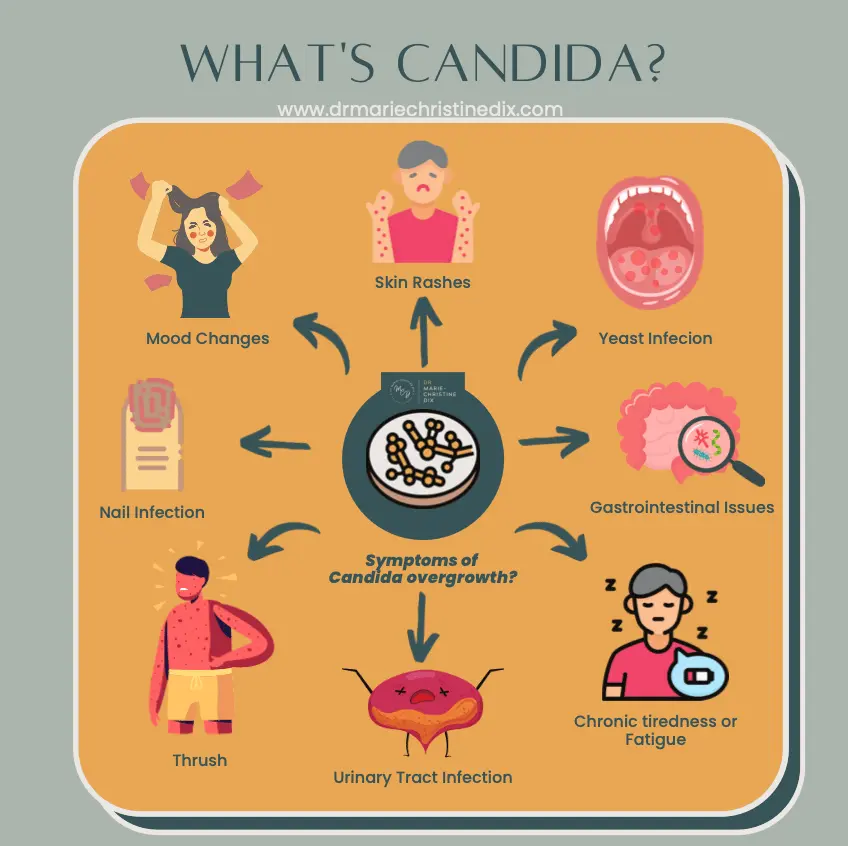
Signs of Candida Overgrowth
The following are all common signs of a fungal overgrowth, the most common of which is Candida. These don't guarantee you have it, but they're worth paying attention to:
- ◇ A coated tongue (more towards the front). Here's what a white coated tongue means
- ◇ IBS
- ◇ Crohn's or UC
- ◇ Bloating
- ◇ Brain fog
- ◇ Gas
- ◇ Nausea
- ◇ Constipation
- ◇ Diarrhea
- ◇ A lack of appetite
- ◇ Fatigue
What Can Candida Cause?
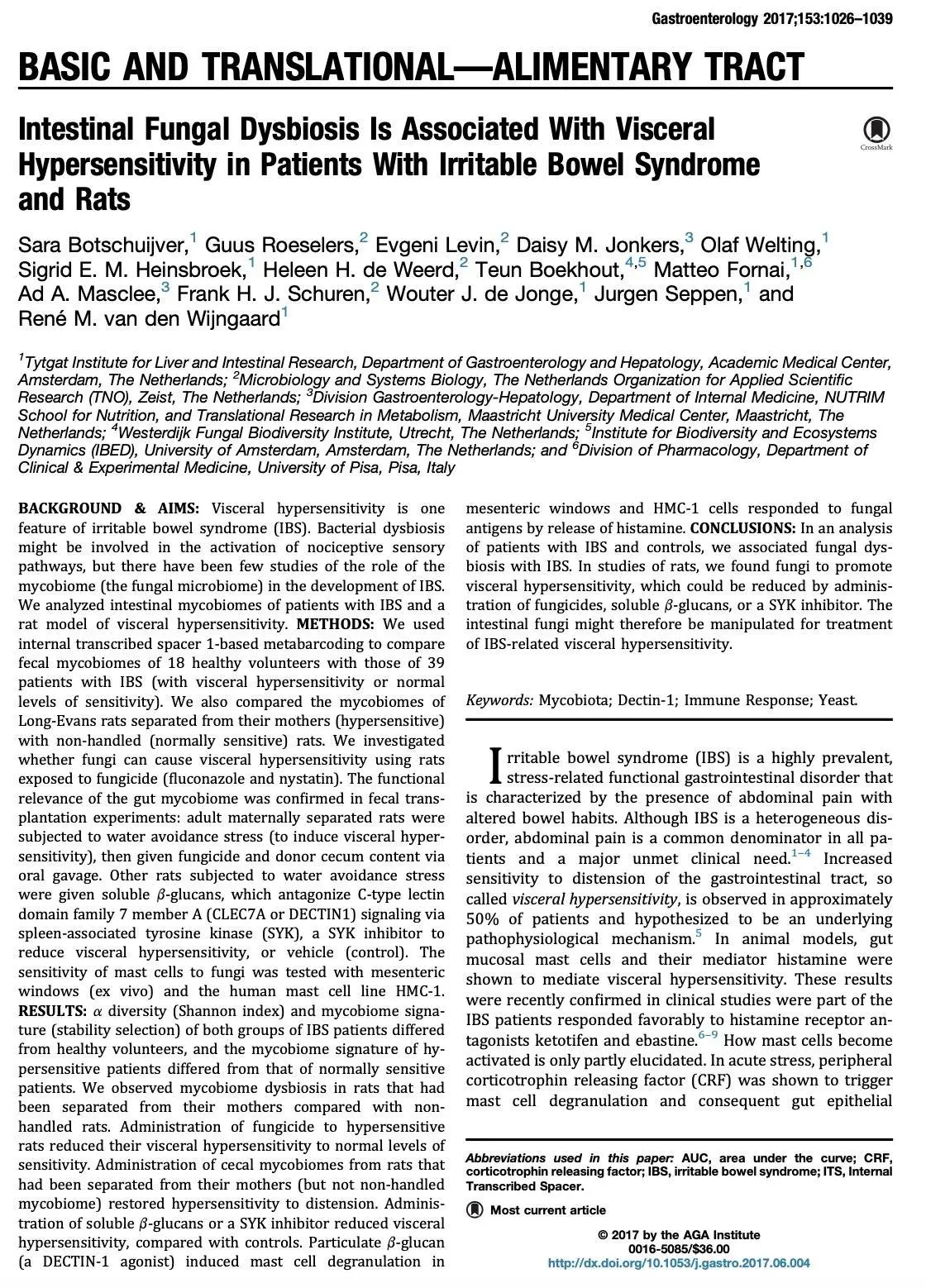
Candida can be behind IBS, and antifungals can reverse it.
Candida drives inflammation, gas, and other processes in the gut that contribute to IBS pathology. People with IBS have higher levels of this fungus, but treatment with fluconazole or nystatin has been shown to improve symptoms.
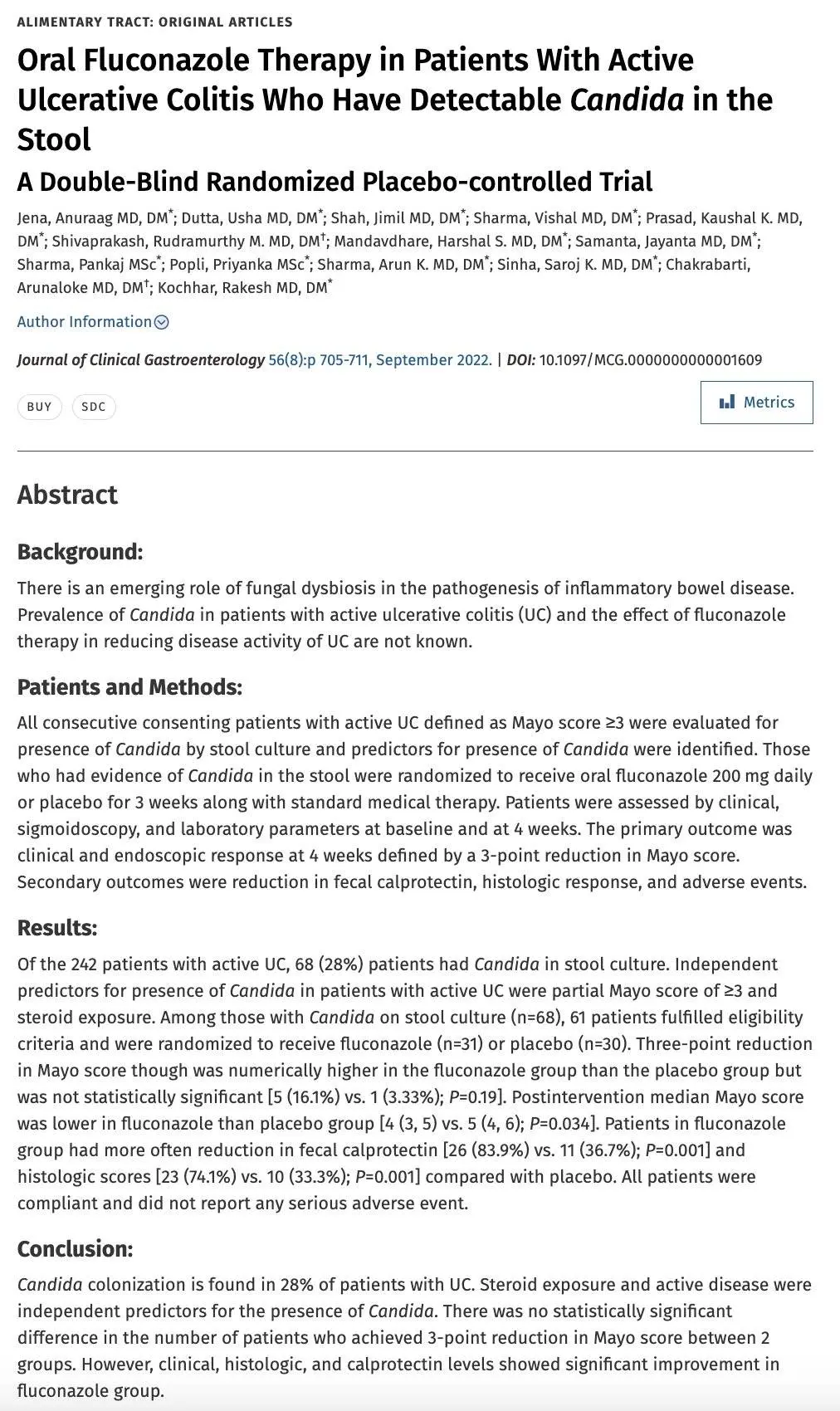
Candida can cause chronic gut inflammation, and antifungals can reverse that too.
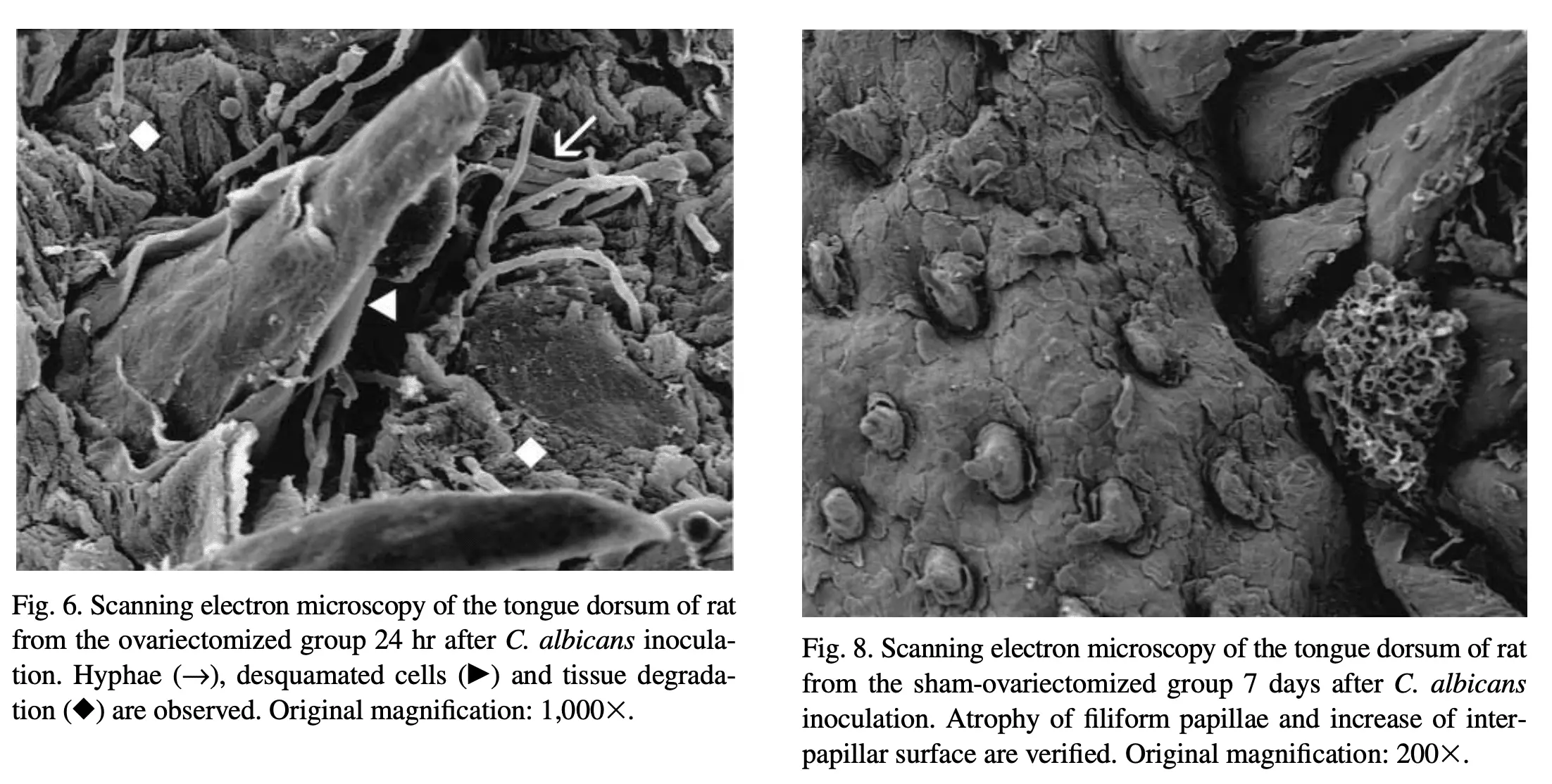
Notice the pattern? Inflammation and poor gut health can cause Candida overgrowth, and Candida can in turn cause inflammation and ruin gut health. It's a self-reinforcing cycle, and breaking it requires addressing both sides.
Candida Causes and Treatments
Estrogen is one of the key promoters of Candida. This is why yeast infections and UTIs are so common in women, particularly during the high-estrogen phases of their cycle or during pregnancy.
If you have Candida, focusing on lowering estrogen is essential.
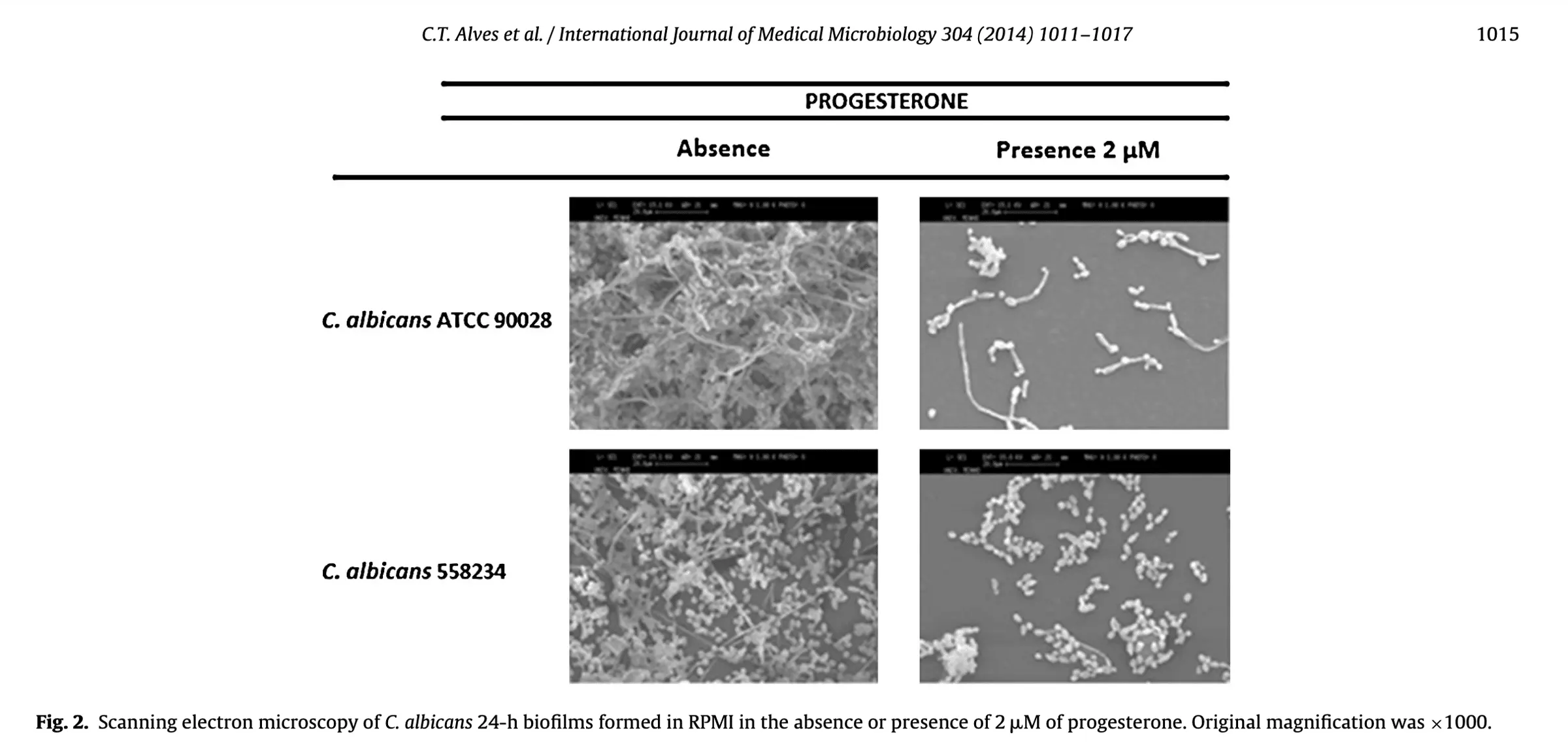
Progesterone is a natural antifungal. It's our endogenous anti-estrogen hormone, and it directly counteracts the fungus-promoting properties of estrogen. Research shows progesterone reduces fungal biofilm formation and invasion.
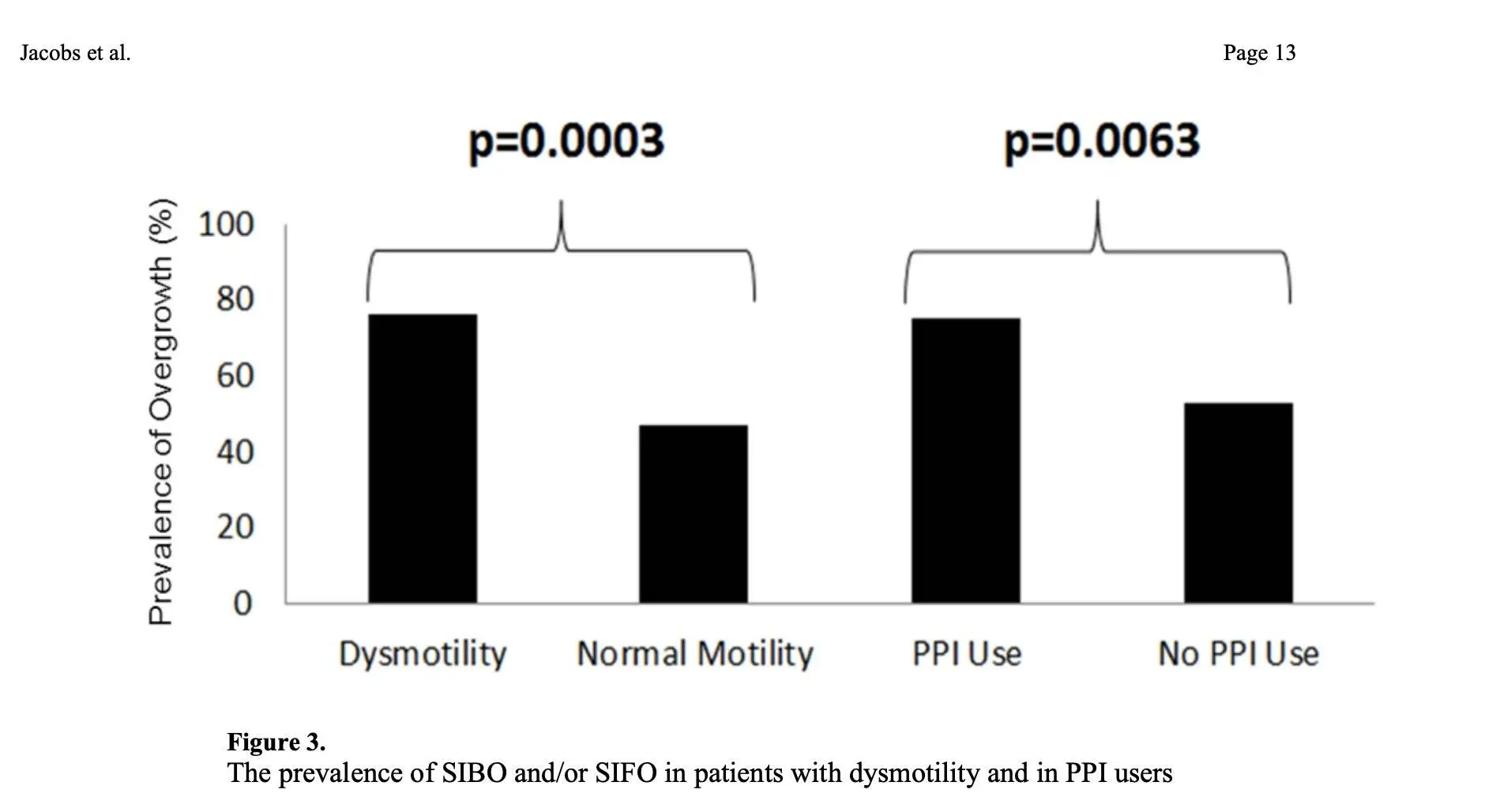
Low stomach acid and slow gut motility can also drive Candida overgrowth. Stomach acid is our primary defense against excess microbial growth, bacteria and fungi alike. When gut motility is sluggish, microbes have more time to linger and proliferate.
Some tools to help improve motility:
- ◇ Coffee (even decaf)
- ◇ Senna
- ◇ Raw carrot
- ◇ Magnesium
- ◇ Baking soda
- ◇ Cascara
- ◇ Triphala
- ◇ Sodium butyrate
- ◇ Mastic gum
- ◇ Vitamin B1
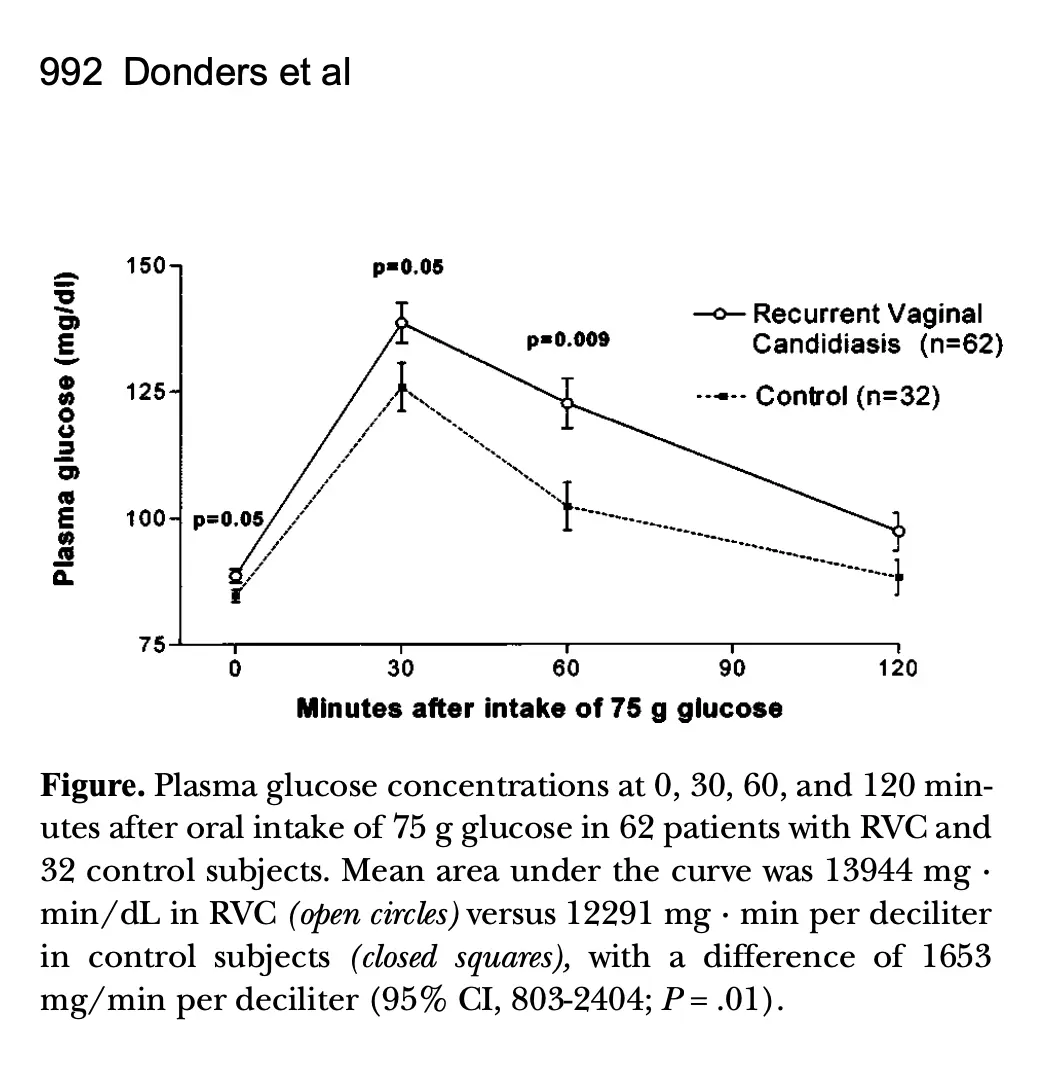
You'll often hear about "Candida diets" being low-carb because Candida feeds on sugar. It's true that Candida thrives in an environment rich in simple sugars, but the real problem is chronically high blood sugar, i.e. insulin resistance.

Studies show that simply adding large amounts of refined carbohydrates to the diet does not reliably lead to Candida overgrowth. This is likely because most simple sugars get absorbed rapidly, before Candida has a chance to feed on them. Metabolic dysfunction is the bigger driver.
Antifungal Supplements for Candida
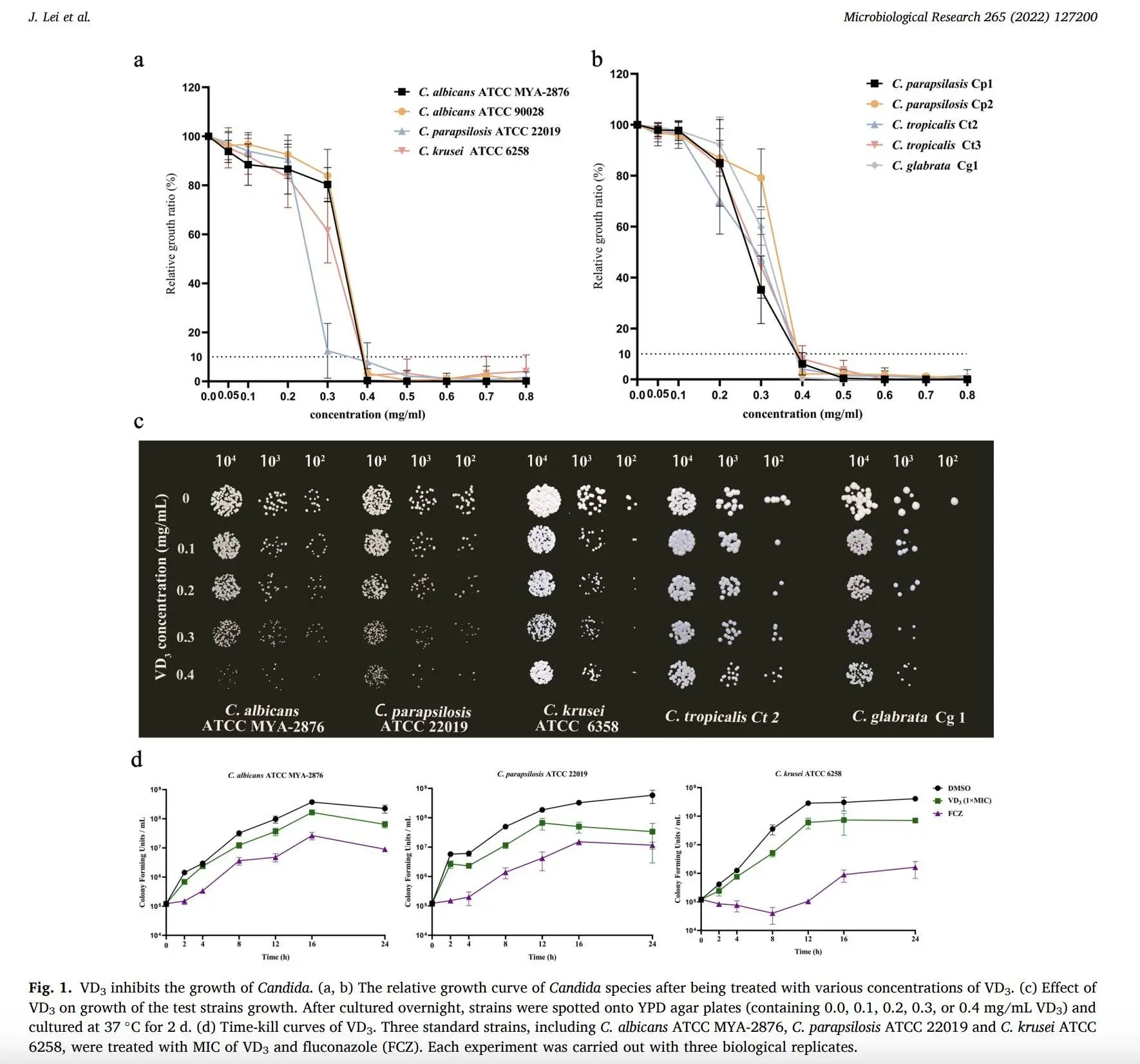
Vitamin D is a powerful antifungal agent. It's absolutely vital for a fully mature and functioning immune system. It also produces proteins with direct antifungal activity and has been shown to reduce all forms of Candida growth, virulence, and biofilm formation.
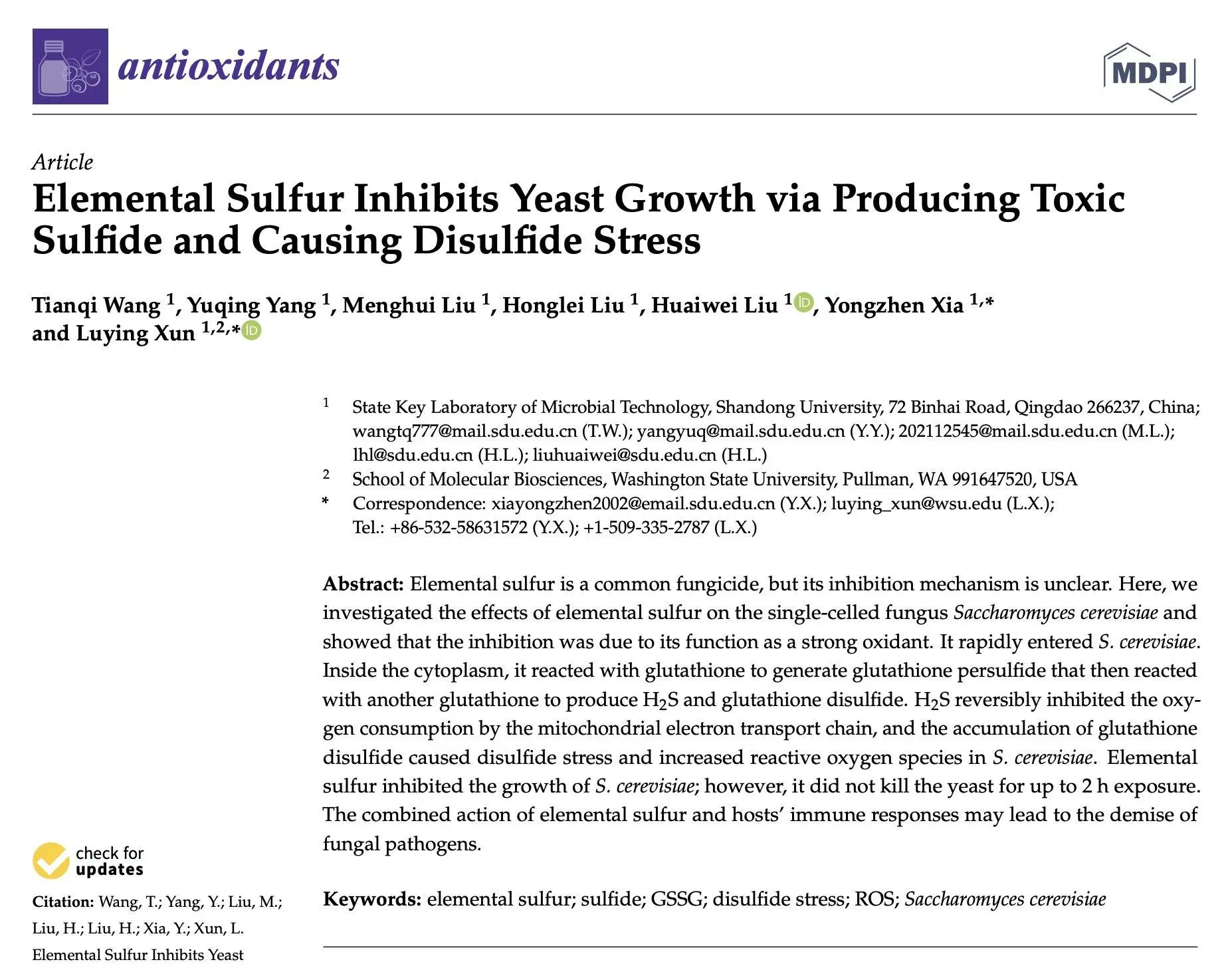
Sulfur is another key antifungal. Elemental sulfur (flowers of sulfur or sublimed sulfur) can be used in small amounts as an antifungal agent, which is precisely why sulfur appears in so many skin products.
L. Rhamnosus is a probiotic strain that produces various antifungal metabolites. Lacto and bifido bacteria in general tend to outcompete and are protective against fungal overgrowths.
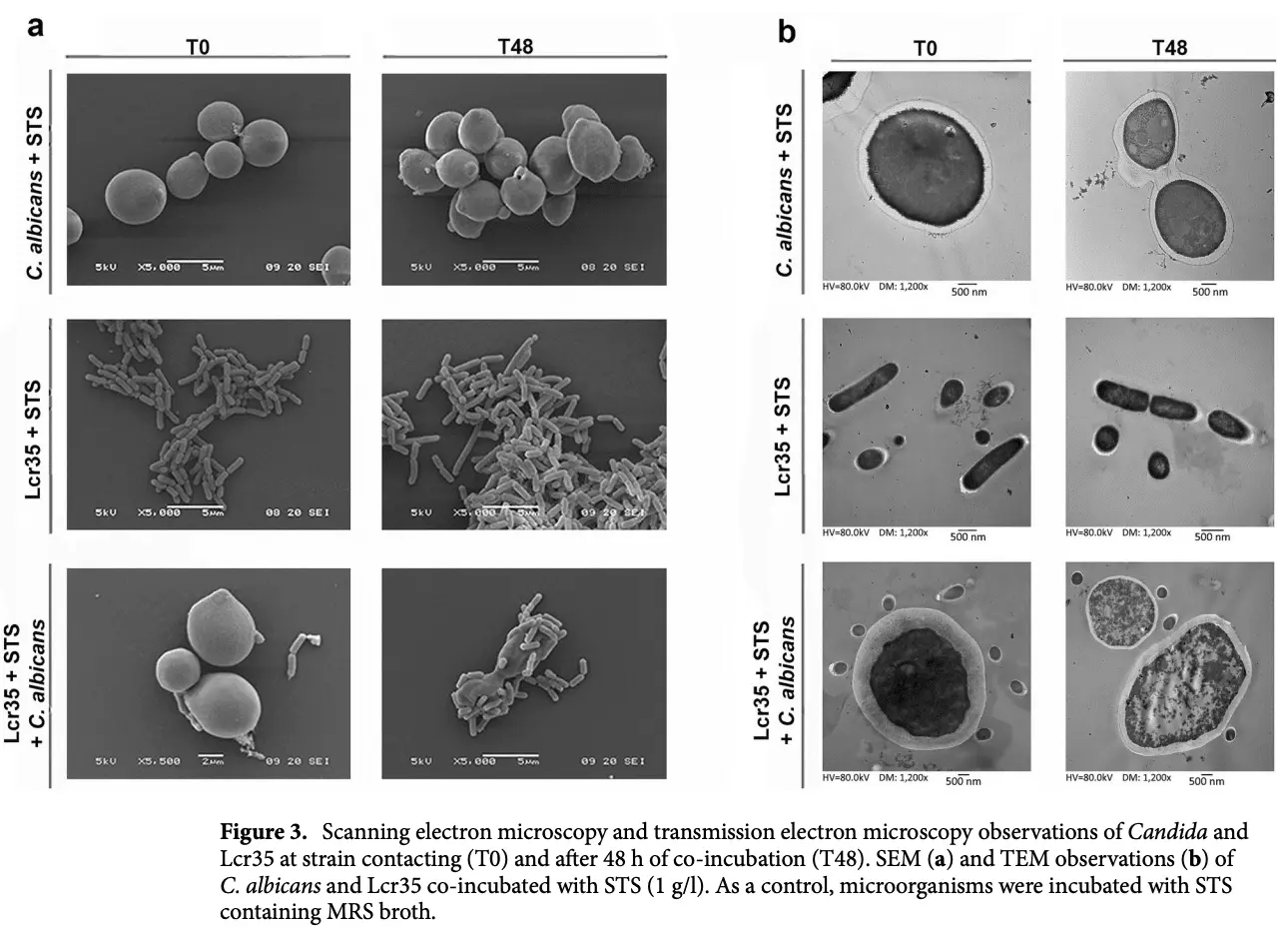
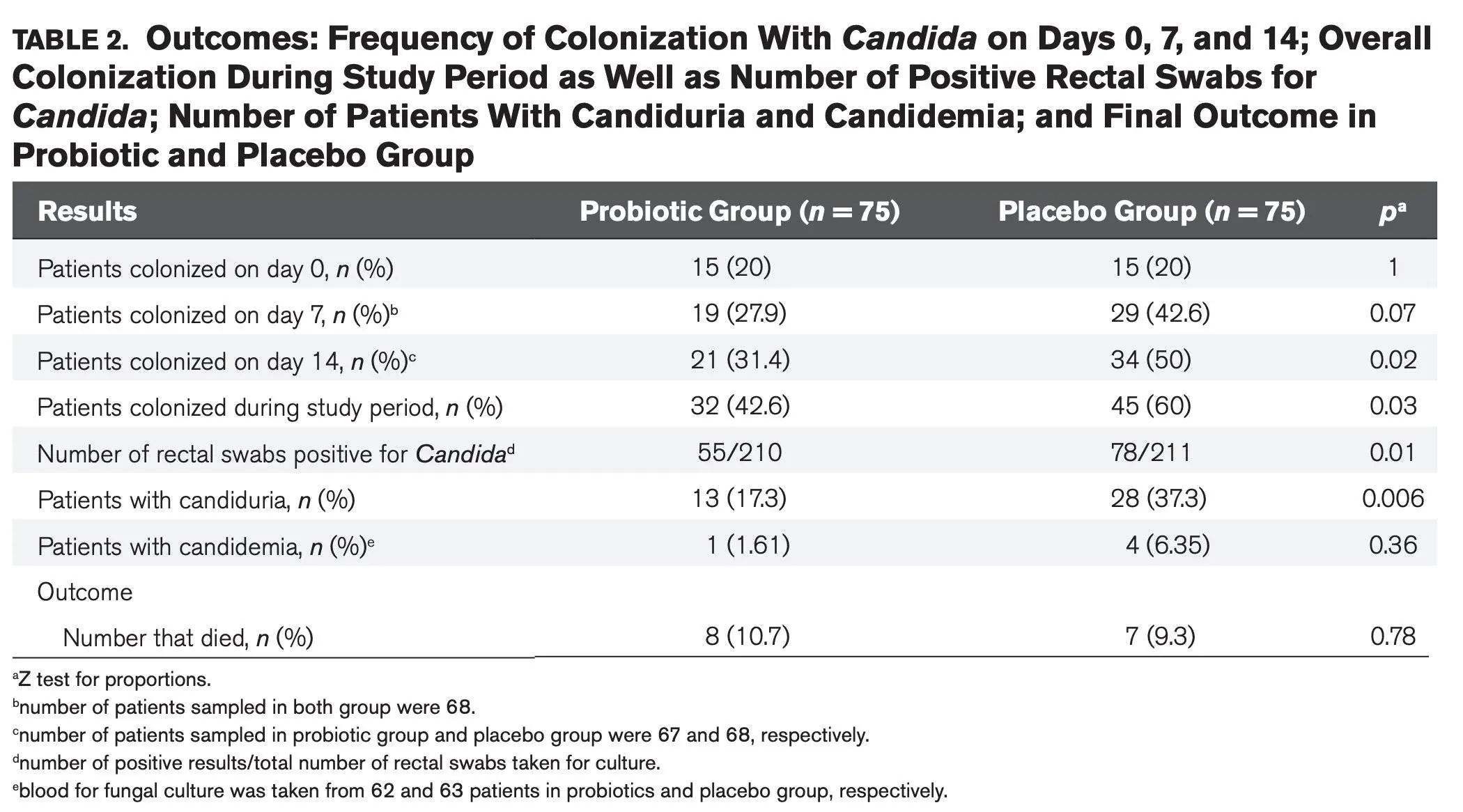
Probiotics broadly can rapidly reverse Candida. A lacto/bifido blend has been shown to reduce Candida substantially within just a few weeks.
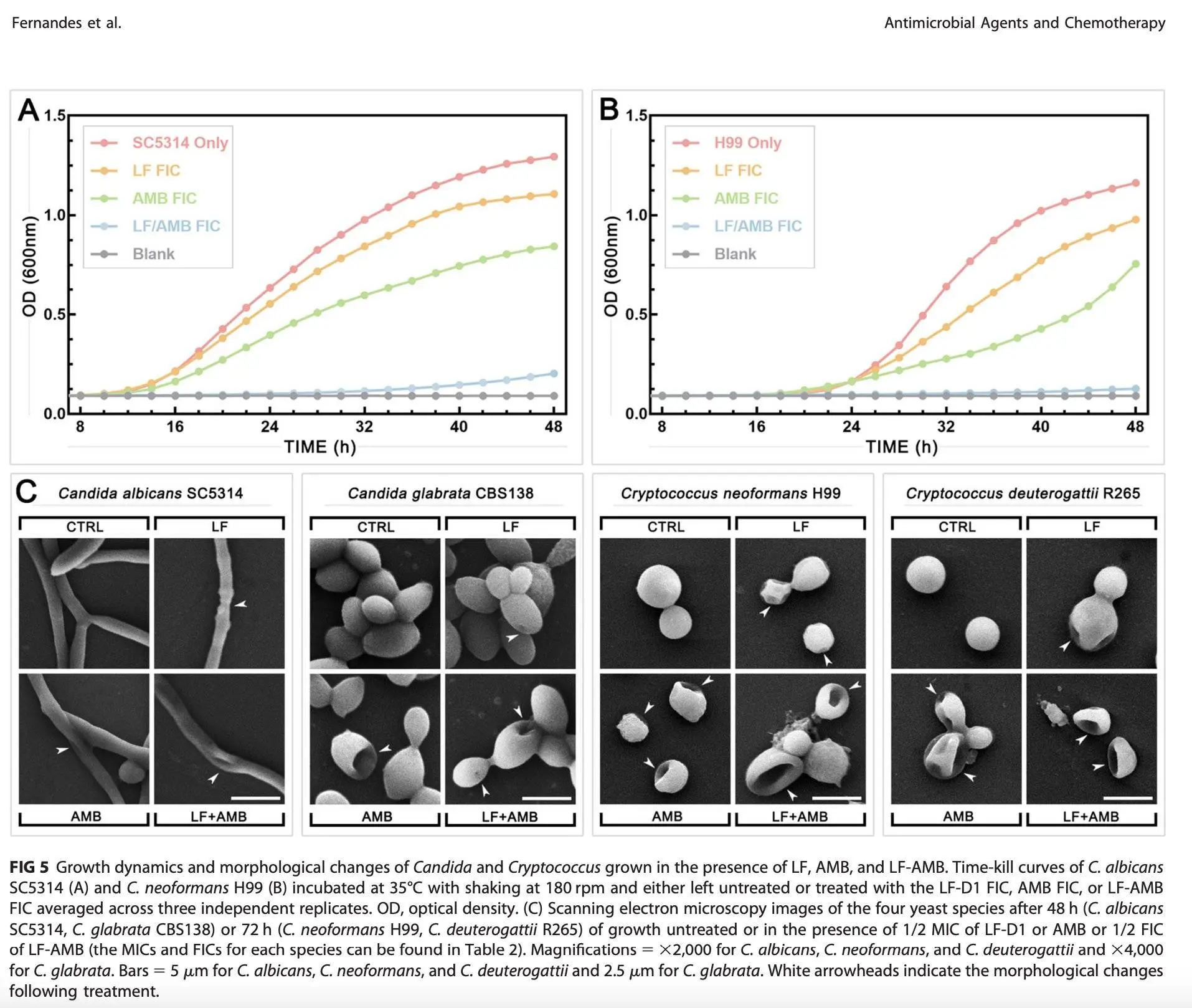
Lactoferrin is an antifungal protein found in milk, especially raw milk and colostrum. It helps chelate iron, which is a critical growth factor for all pathogens, including Candida.
Candida can be difficult to deal with, but with the right approach it's solvable. We help our clients with it all the time, alongside other health goals.
Analyze & Optimize Team