How A Nutrient Beat Depression in Under a Week
It's safe, affordable, and easy to find anywhere — and case studies show it reversed major depression in less than 7 days. Here's what the science says about magnesium.
Today we're covering a staple that you should all know and take by now, but if you still need to be convinced — or just further blown away — we're here for you.
It's safe, affordable, and easy to find anywhere: magnesium.
Depression is just one piece. I cover the rest in my guide to magnesium benefits.
The Case Studies
This was a short case series published in Medical Hypotheses showing the incredible and fast turnaround of depressed patients with magnesium.
A 40-year-old man got off cocaine and reversed his depression with 125 mg magnesium taurinate at each meal — again within a week.
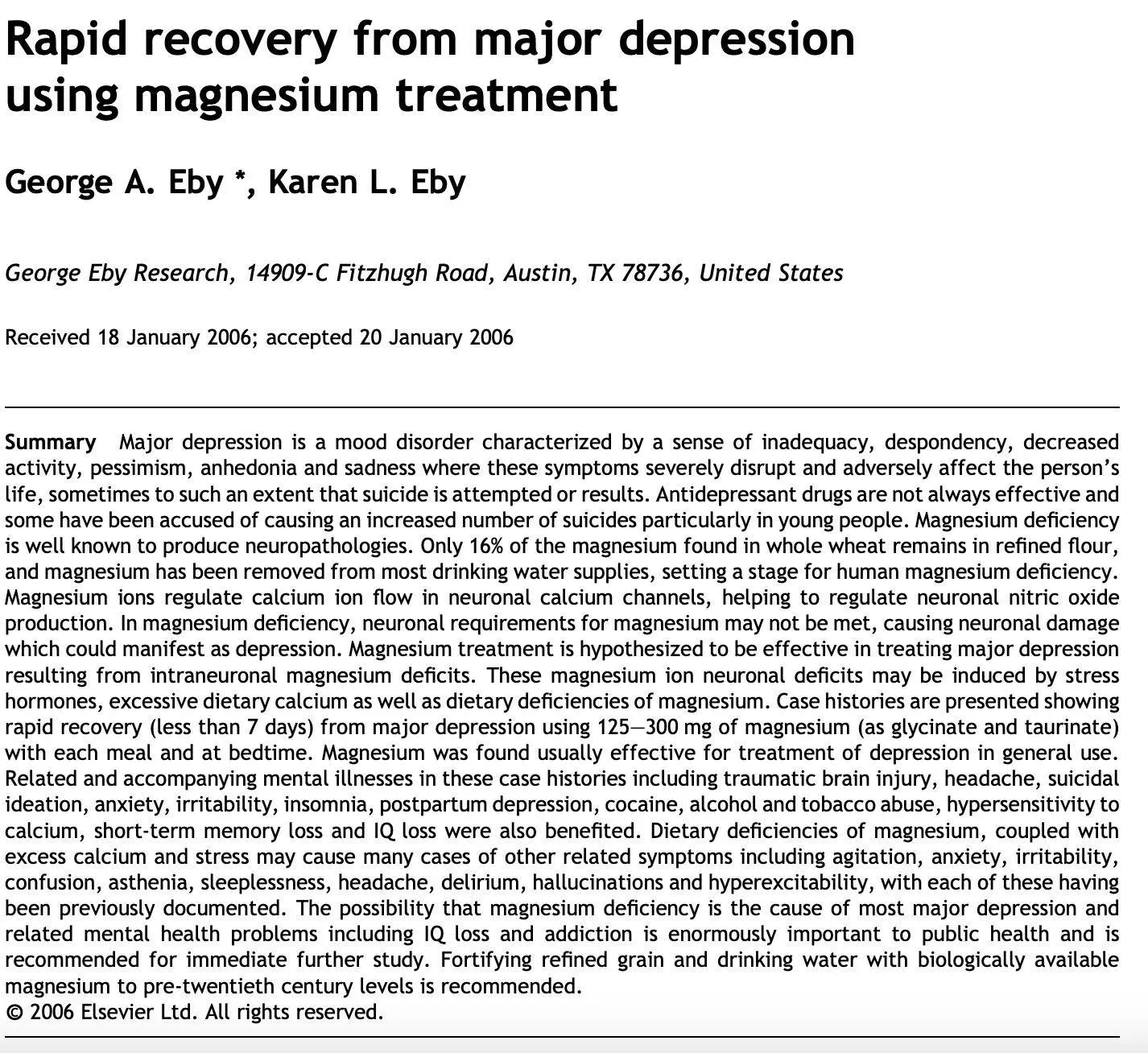
A young woman was free of depression after one week of 200 mg of magnesium glycinate per meal.
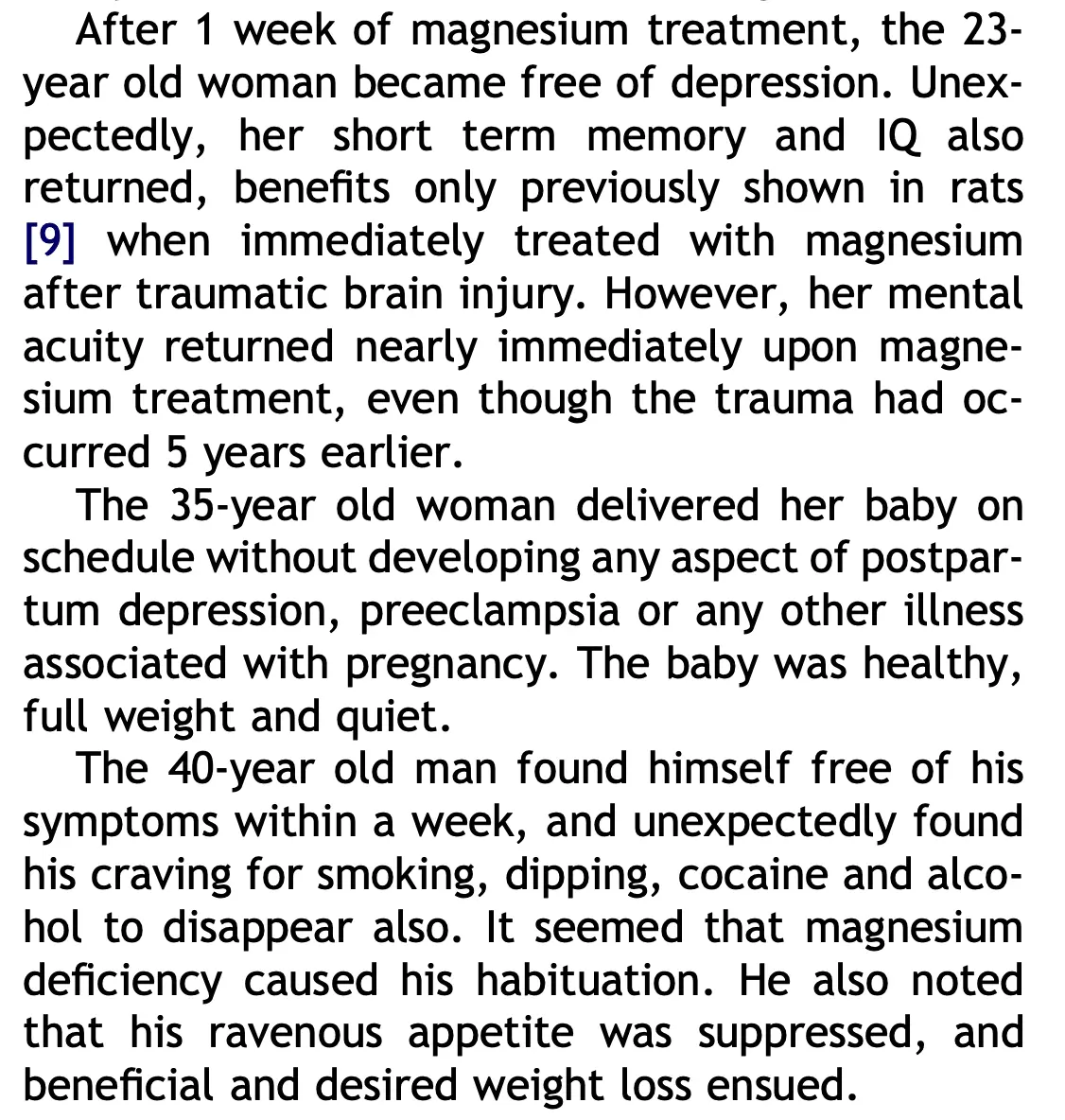
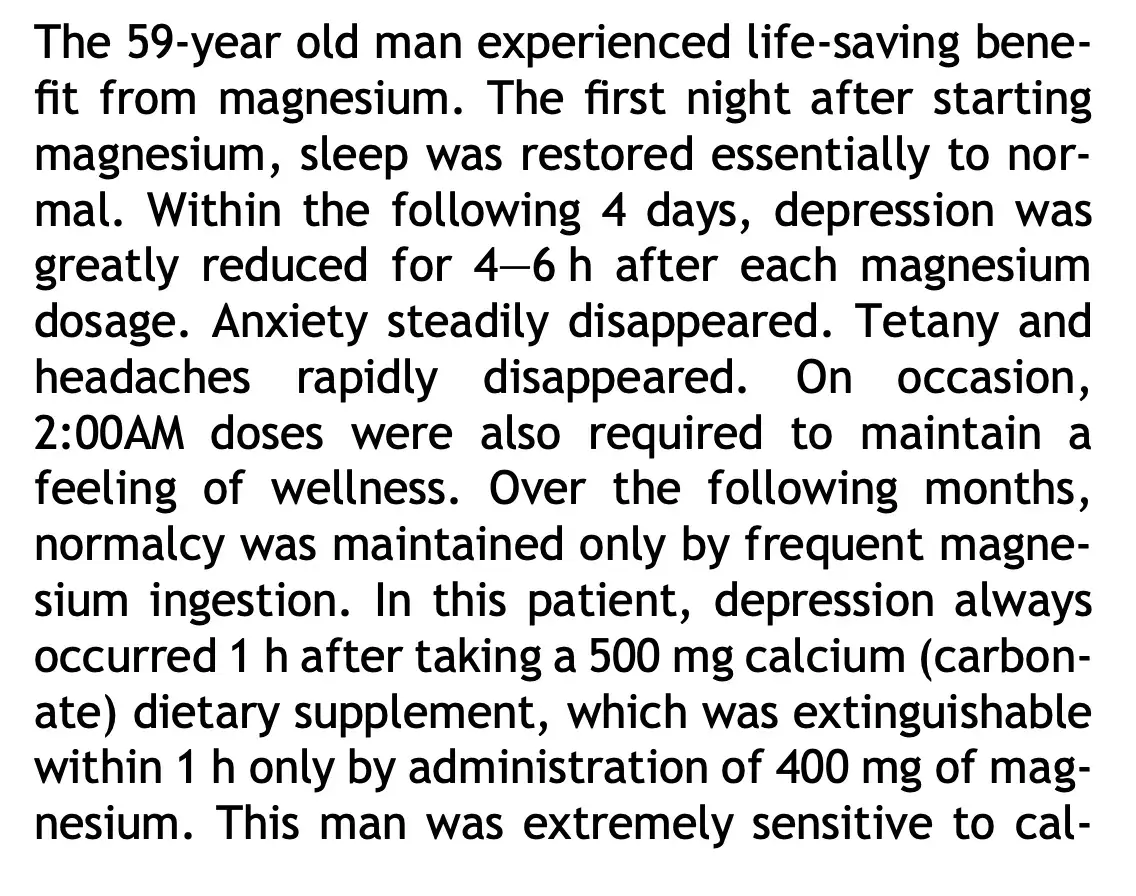
The first man experienced remission in around 4 days, taking 300 mg of magnesium taurate/glycinate multiple times daily.
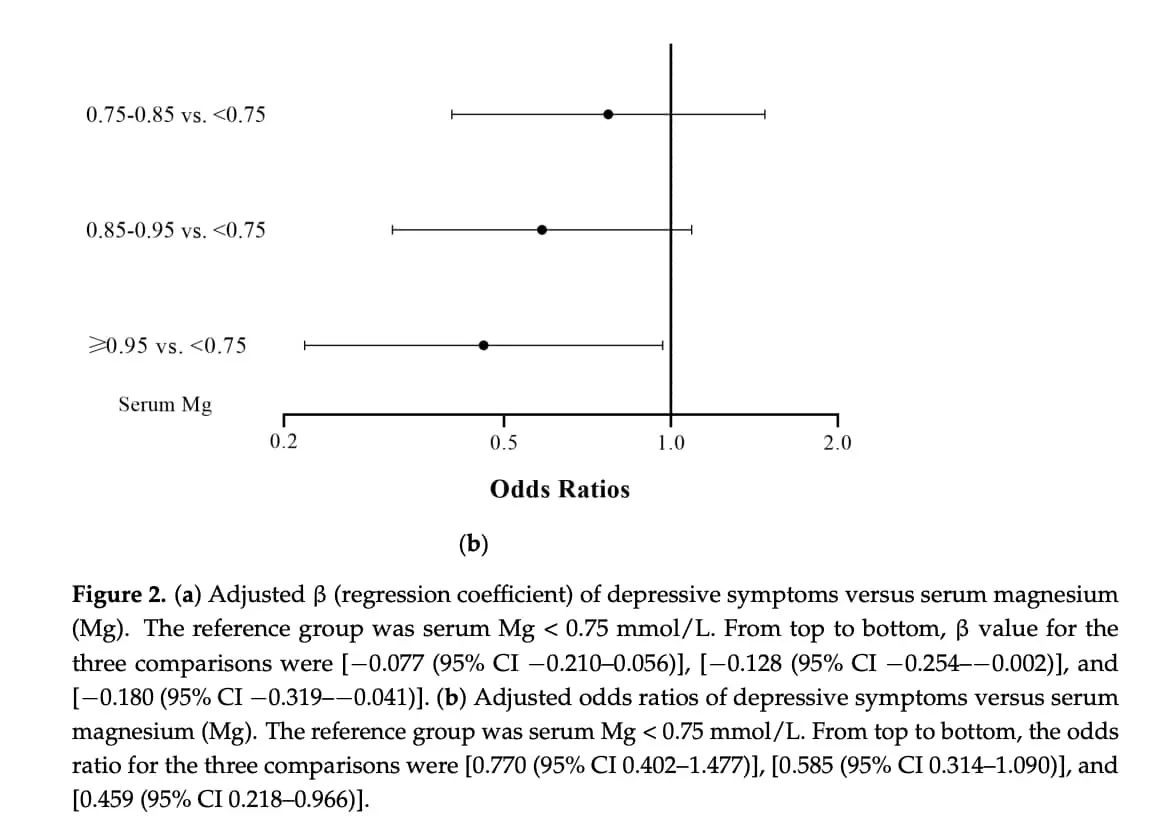
Magnesium deficit is perhaps the most common nutrient deficiency in depression.
Having low levels of serum magnesium can more than double the risk of developing depression.
While this was just a short case series, several other studies back up magnesium's ability to reverse depression.
Why is Magnesium So Powerful for Depression?
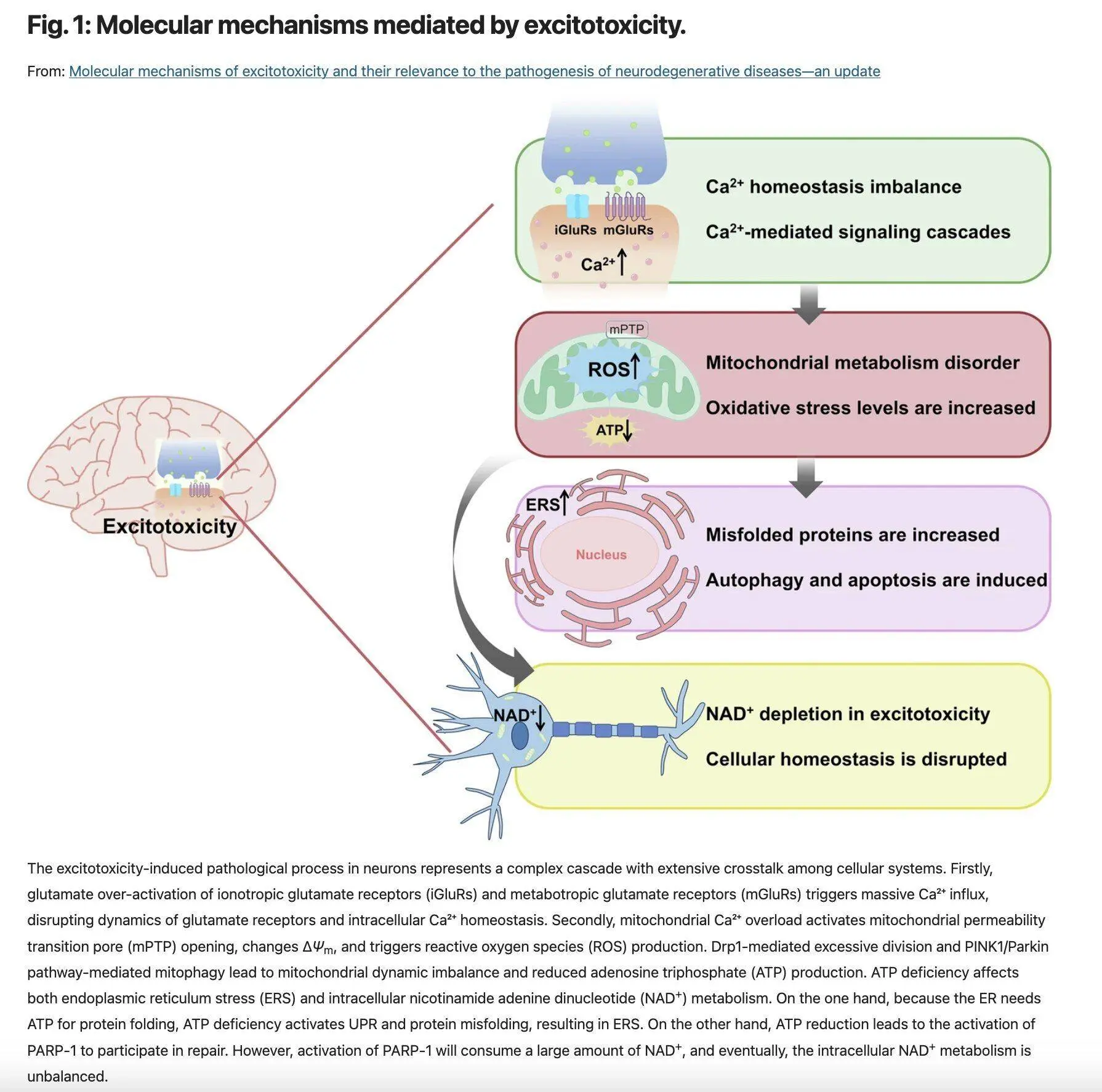
There's likely a number of mechanisms going on here, but the primary one seems to be magnesium's protective effect on excitotoxicity.
This is a process activated by the neurotransmitter glutamate through various receptors.
While glutamate is vital for many processes in the brain, excessive glutamate triggers huge influxes of calcium into neurons.
This floods the mitochondria — which opens up pores in their membranes, resulting in worsened energy production and higher reactive oxygen species.
Downstream, this impacts the endoplasmic reticulum, which halts protein production, triggers inflammation, and more.
This also depletes NAD+ levels, since NAD+ is needed for DNA repair.
Essentially, a whole lot of destruction, dysfunction, and eventually cell death in the brain cells.
Glutamate excitotoxicity and neuronal cell death / impaired neurogenesis seems to be common in depression.
However, magnesium acts as an antagonist to calcium, preventing it from going into neurons excessively. It also directly blocks the NMDA receptor, a key glutamate receptor.
Magnesium can also increase BDNF — a protein critical for neuronal growth and resilience.
Magnesium Depression Dose: How Much Should You Take?
This is a good blend of highly absorbable magnesium forms.
Typical doses range from 200–400 mg daily.
Can Magnesium Make Depression Worse?
Yes, it can in some cases. Here's when to watch out:
- Wrong form: Some forms like Magnesium Oxide are poorly absorbed and can cause digestive issues, which in itself can affect mood negatively.
- Too much too fast: Taking too high a dose too quickly can cause nausea, fatigue, and general malaise which can mimic or worsen depressive feelings.
Analyze & Optimize Team