How a Red Light Beam Beat Tinnitus in Clinical Trials
Non-invasive, surprisingly affordable, and backed by a double-blind clinical trial — red light therapy is helping people finally quiet the ringing.
Overview
Today I'm diving into something that sounds more like a spa treatment than a medical solution, but the clinical data tells a different story.
It's non-invasive, surprisingly affordable, and it's helping people finally quiet the ringing: red light therapy.
The Study
This study was published in 2013 in The Scientific World Journal.
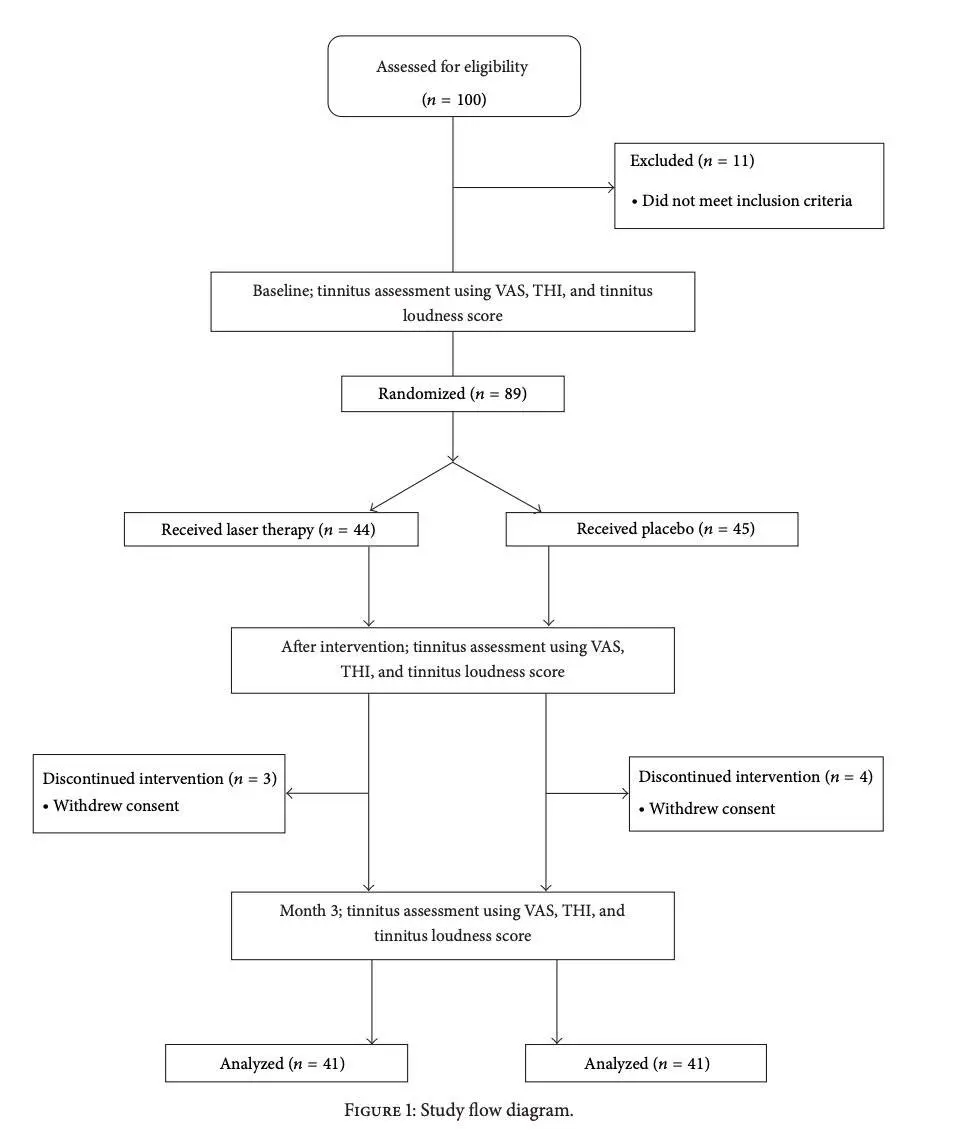
Men with noise-induced hearing loss and tinnitus were admitted into the study. They used a low-level laser beam with:
- ◇ Wavelength of 650 nm
- ◇ Intensity of 5 mW
3x a week for 20 minutes, for a total of 20 sessions.
Tinnitus was present in both ears in 49% of cases. The rest had it in only one ear. 89 people finished the study.
The Study Outcomes
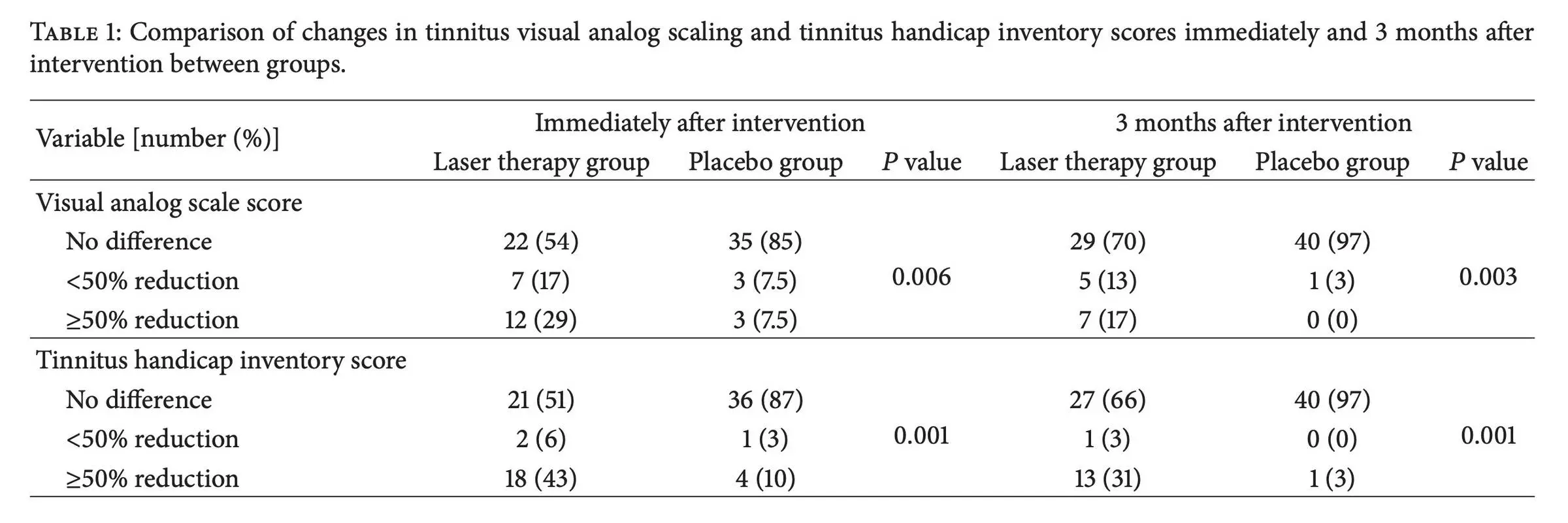
After red light therapy, significant improvements were seen:
- ★ 29% showed a >50% improvement in tinnitus severity
- ★ 43% showed a >50% improvement in daily interference
- ★ Nearly half of all subjects benefitted (only 15% in placebo did)
The effect diminished 3 months after treatment, but participants were still better than where they started.
People using red light had a ~25% reduction in tinnitus loudness after the sessions. Three months later, they still had a ~16% reduction in loudness. Zero change in placebo.

How Does Red Light Help with Tinnitus?
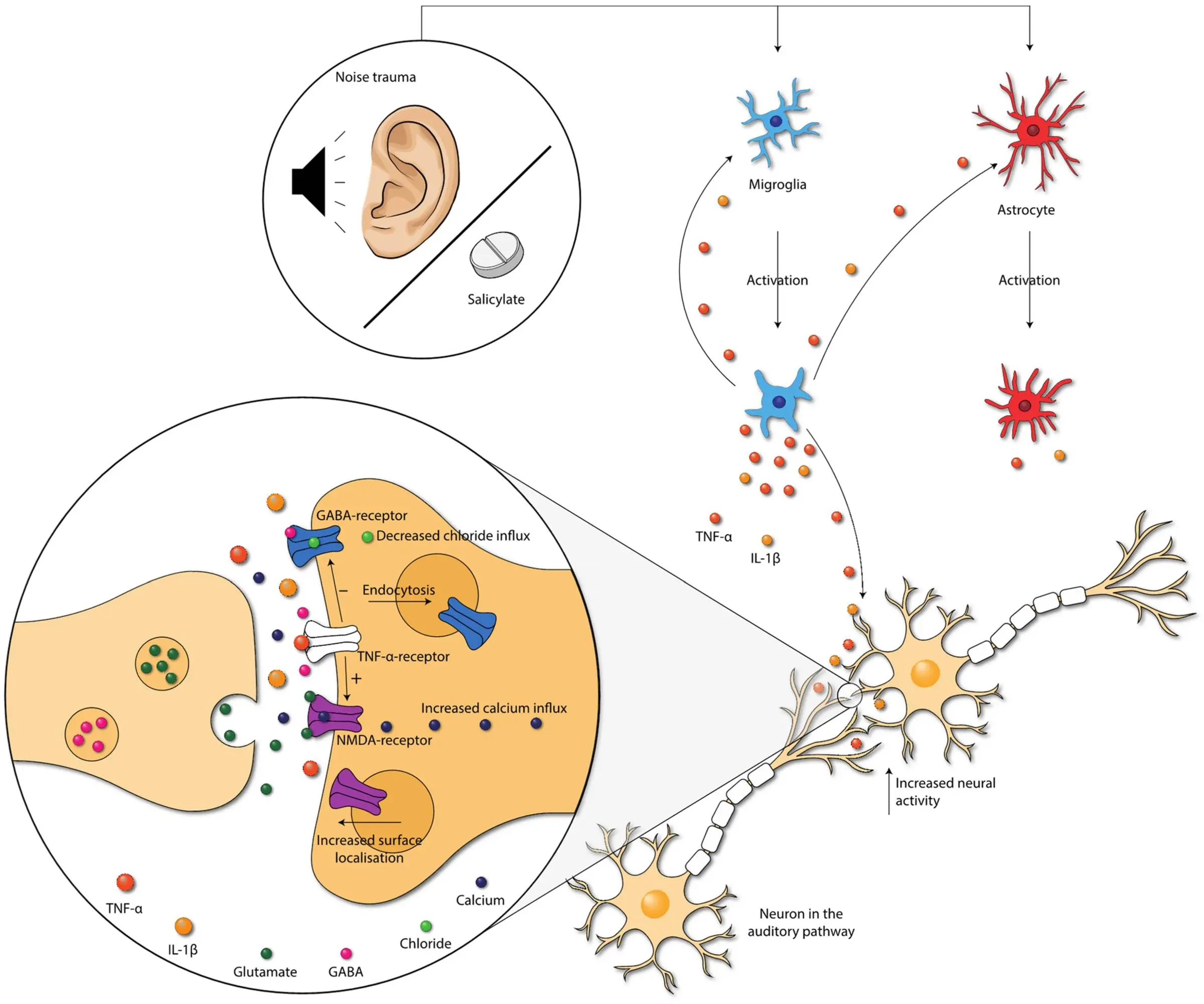
Tinnitus, especially when caused by loud noise, involves a few key processes within the cochlear nerve — the nerve that takes sound and transmits it into usable information:
- 1. Excitotoxicity — excessive glutamate neurotransmission
- 2. Inflammation — cytokines and increased microglia activity
Both of these reinforce each other and are responsible for the ringing.
Glutamate neurotransmission is normally used as a "go" or "on" signal that activates neurons. When it's constantly firing in the ears and not held in check by inhibitory signals like GABA, you constantly hear that noise.
Inflammatory signals potentiate glutamate neurotransmission — decreasing GABA signaling and increasing NMDA (glutamate receptor) availability.
Red light works by enhancing mitochondrial energy production, which lowers reactive oxygen species output and calms inflammation. It also reduces calcium overload by this same mechanism, which is central to glutamate neurotransmission.
Best Red Light Therapy for Tinnitus?
The study specifies the following parameters:
- ◇ Wavelength of 650 nm. Our affiliate handheld light linked here.
- ◇ Intensity of 5 mW
- ◇ 3x a week for 20 minutes, for a total of 20 sessions
It should be noted the study used a red laser instead of an LED light. However, the main properties of red light that typically matter biologically are power output and wavelength.
Note: Many studies show improvements in tinnitus metrics, but some don't. The disparity likely comes from treatment duration — shorter term studies don't see benefit, while those doing multiple treatments per week for a month or more tend to show improvement.
Analyze & Optimize Team