5 Body Warning Signs Your Doctor Is Ignoring
Eye floaters, skin tags, nail ridges, dental fluorosis, and earlobe creases are not cosmetic issues. Each one is a measurable warning sign of deeper metabolic, hormonal, or cardiovascular dysfunction.
#1 Eye Floaters
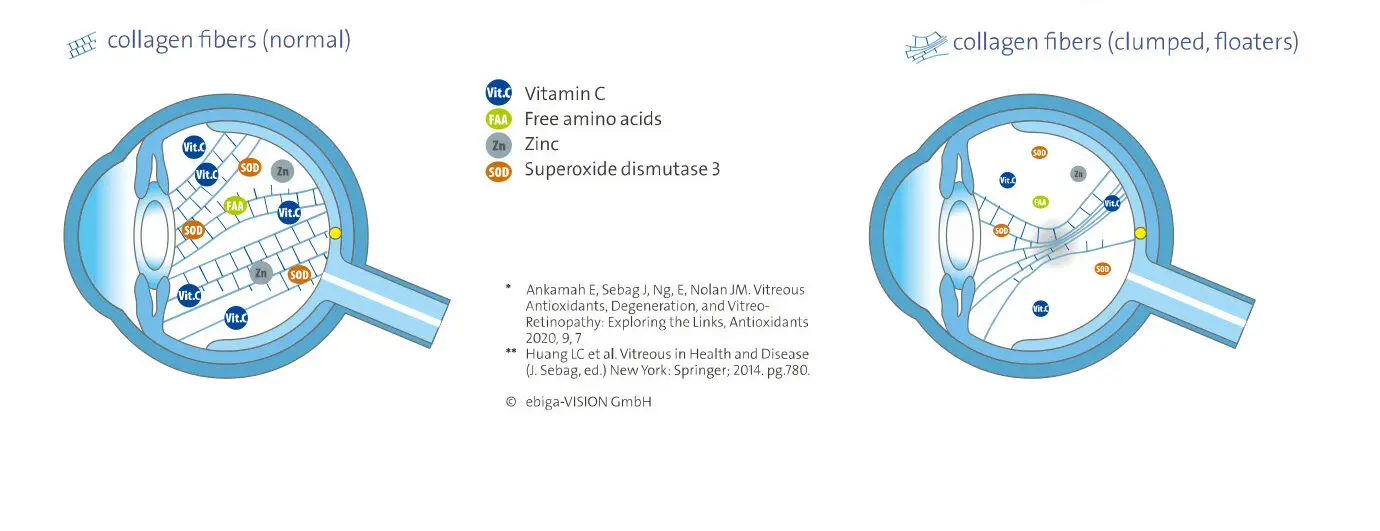
Those annoying worm-looking things you see drifting across your vision are actually a sign of poor antioxidant supply and tissue damage in the vitreous of the eye.
But it's not limited to your eyes. It's a sign your body is vulnerable. This is something we see with our clients which leads us to uncover deeper underlying issues.

Antioxidants protect the eyes from floaters. If you have them, you've likely got an antioxidant deficit in the body, which leaves you susceptible to:
- ◇ Accelerated aging
- ◇ Cancer
- ◇ Heart disease
- ◇ Cognitive decline
And pretty much any other health issue you can imagine.
#2 Skin Tags
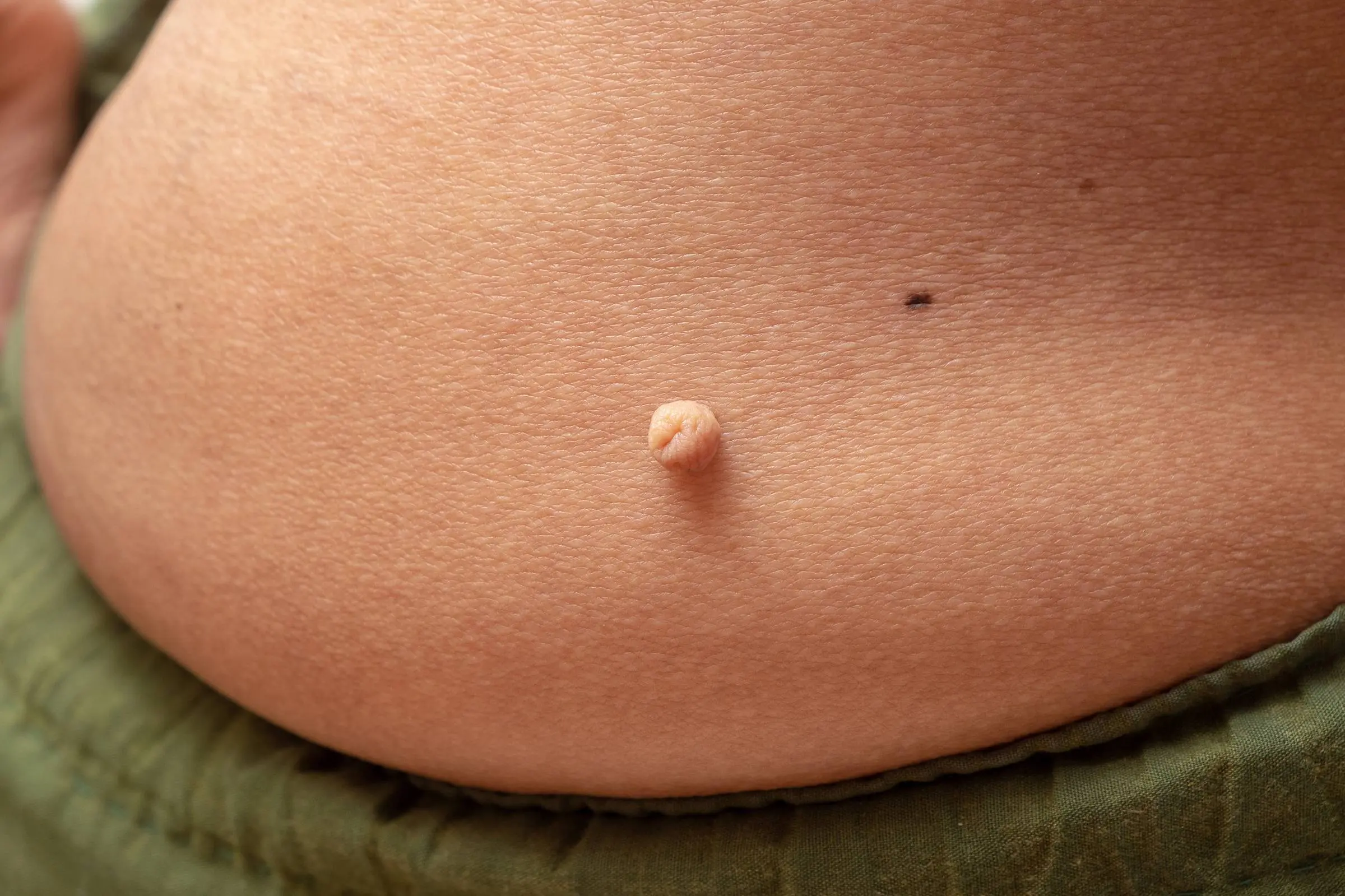
Skin tags are actually benign tumors, caused by a number of chronic pro-growth signals. Some include:
- ➜ High insulin and leptin
- ➜ High copper (pro-angiogenic and pro-growth)
- ➜ Low zinc (poor control over skin cell proliferation)
- ➜ High estrogen
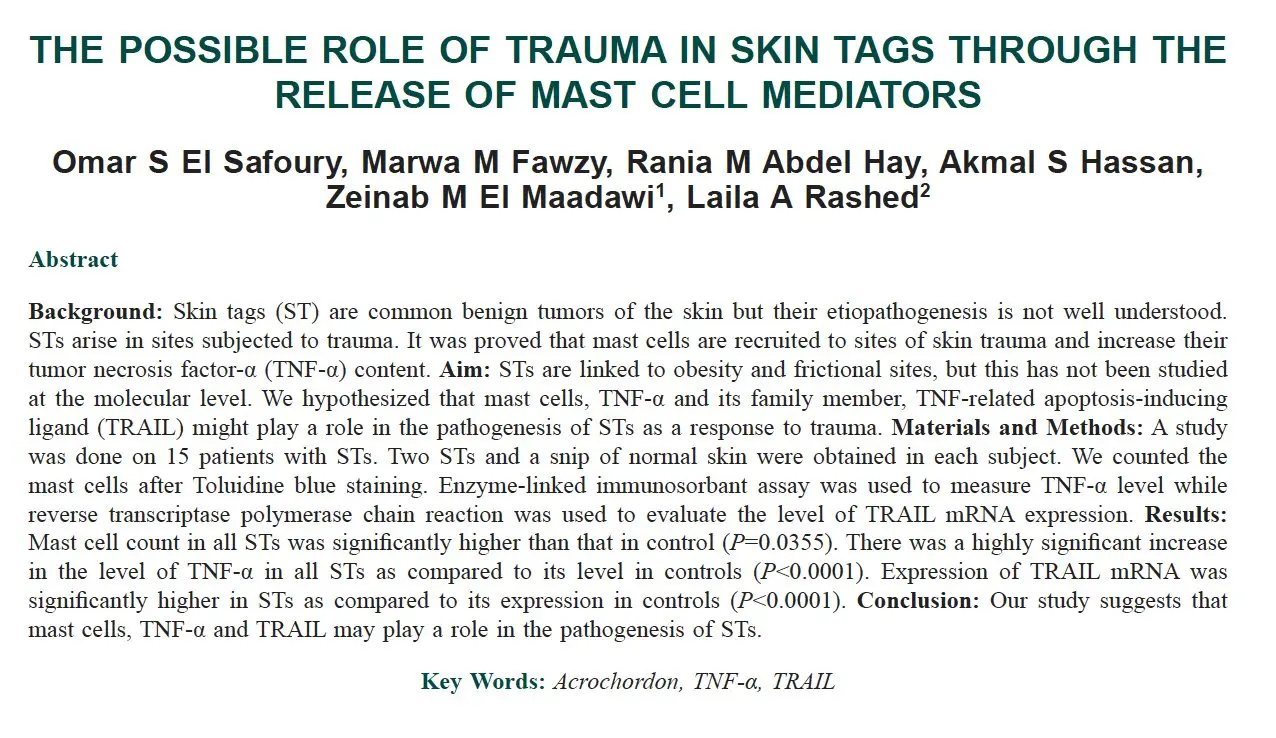
Skin tags could also be a sign of heart disease risk. Research shows the tissue around skin tags has much higher concentrations of:
- ➜ Mast cells, immune cells
- ➜ TNF-alpha, inflammatory cytokine
- ➜ TRAIL, inflammation cell death ligand
Your skin becomes more susceptible if you have chronic inflammation.
 Read the full earlobe crease study
#3 Ridges in Nails
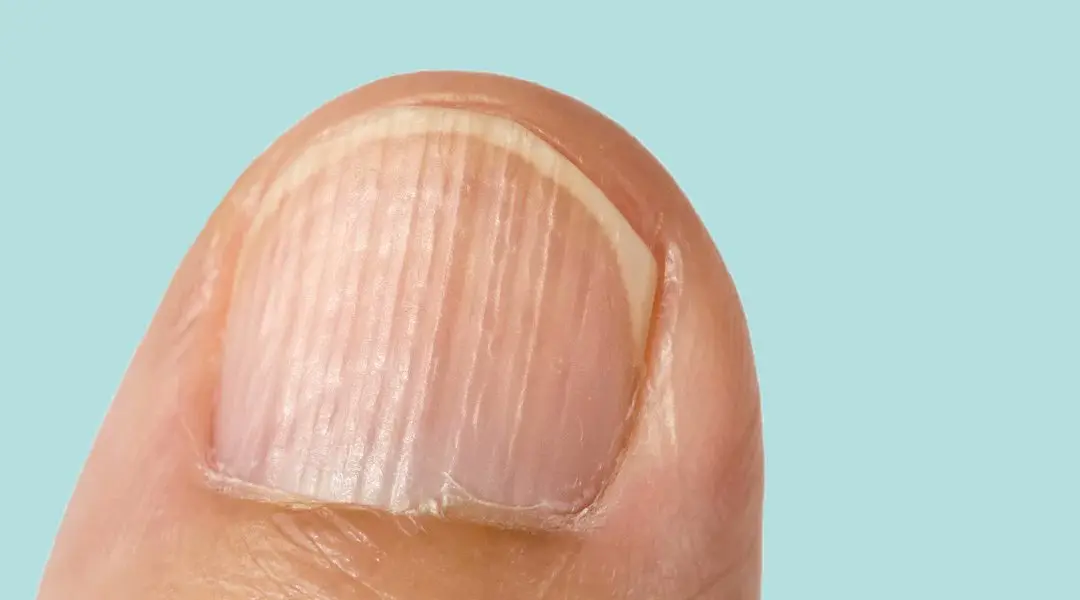
Nail ridges are a sign that your body is having a tough time producing nail tissue. Common causes include:
- ➜ Low B12 and zinc (poor keratin synthesis)
- ➜ Low stomach acid (low nutrient absorption)
- ➜ Protein malnutrition (no raw material)
Deep indents in the nails, known as Beau's lines, are a sign of inflammation. Inflammation and infection can impair blood vessel function, impeding the delivery of nutrients to the nails.
In fact, these types of transverse indents in the nails have recently been linked to COVID-19 infection and vaccination.

#4 Dental Fluorosis
These little white patches on your teeth are a warning sign we have seen with previous clients. Do not ignore them.
They are a sign of fluoride accumulation in tissues. Fluoride is a poison:
- ◇ Drives oxidative stress
- ◇ Inhibits mitochondrial function
- ◇ Neurotoxic
- ◇ Hormonal disruptor
Dental health is a reflection of gut health. I've written about gut issues here, and about 17 signs of poor gut health.
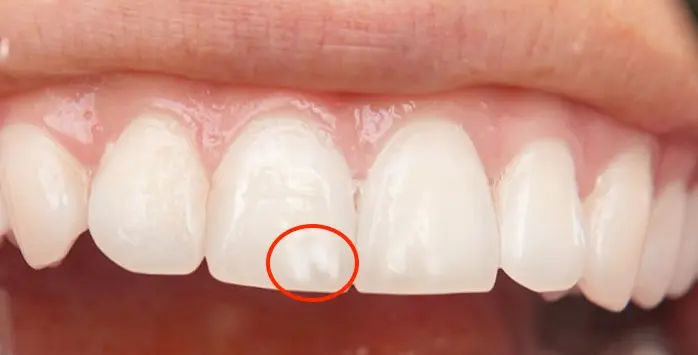
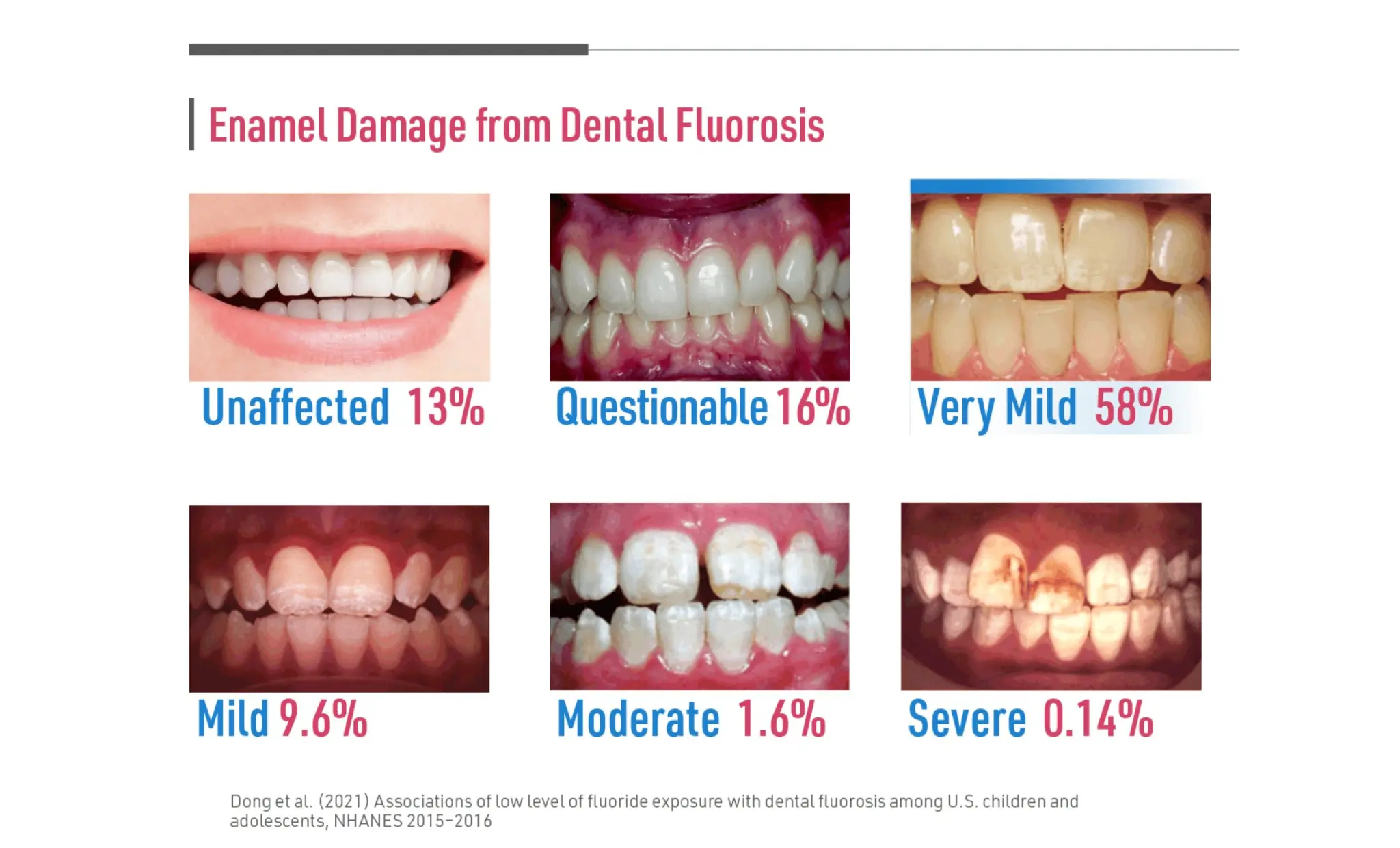
Next time you're around a group of people, observe whether they have dental fluorosis. It can appear as subtle white spots but can get much worse, and the teeth also become more yellow over time.
Chances are, if you see 10 people, 5 to 8 of them will have it noticeably.
#5 Earlobe Crease
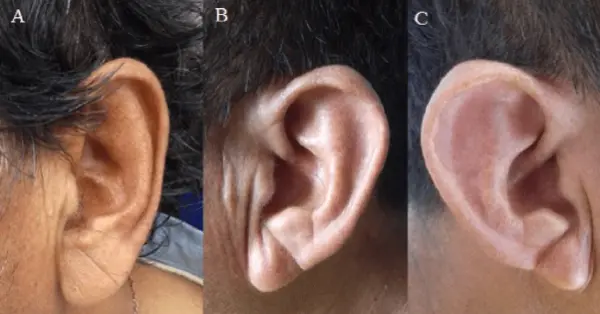
Also known as Frank's sign, an earlobe crease is associated with increased risk of:
- ➜ Coronary artery disease
- ➜ Insulin resistance
It is a sign of:
- ➜ Reduced blood flow
- ➜ Impaired elastin synthesis, a critical protein important for arterial health
An earlobe crease triples the risk of severe heart disease. Out of people undergoing imaging for heart disease, 62% had it. It is actually a better predictor than cholesterol.
If you have any of these signs, it is best to act soon. These are not cosmetic issues, they are signals worth investigating.
Analyze & Optimize Team